The Netherlands is rapidly expanding its military reserves with a bold recruitment surge fueled by the enlistment of Queen Maxima and Princess Amalia as volunteer reservists. The move signals a sharp shift in European defense posture amid rising security concerns fueled by Russia’s ongoing war in Ukraine and uncertainty over NATO’s future.
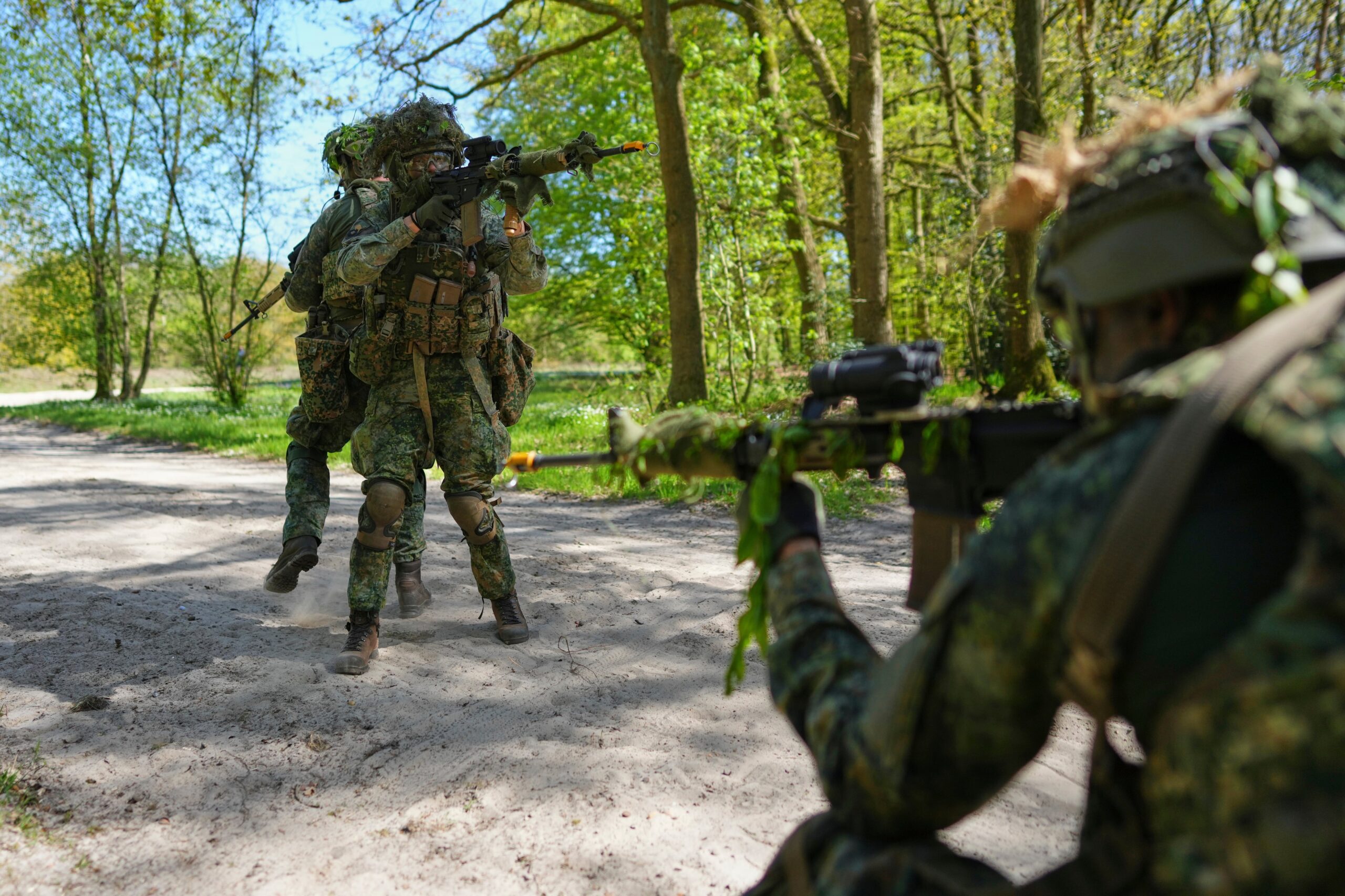
In Havelte, Netherlands, reservists from the 10th Infantry Battalion Guard Security Corps National Reserve sharpen their combat skills on a weekend exercise. The troops, faces painted in camouflage and rifles ready, represent a new wave of volunteers responding to the Dutch government’s pledge to grow military personnel from 80,000 to 120,000 by 2035.
Defense Ministry officials say recruitment has doubled following the high-profile participation of the royal family, a phenomenon now dubbed “the Amalia effect.” Photos of Maxima firing pistols have spread globally, inspiring thousands to join. State Secretary for Defense Derk Boswijk confirmed, “We have more applications than we can handle,” but noted challenges remain in training capacity, housing, and equipping these new recruits.
The Dutch Defense Ministry currently fields about 9,000 reservists, aiming to reach at least 20,000 by 2030. These reservists commit 300 hours of service annually, focusing primarily on national defense and securing vital infrastructure rather than overseas combat missions.
Experts warn the threat from Russia remains acute. NATO and European Union officials suggest Vladimir Putin could launch new offensives within Europe in the next three to five years if he prevails in Ukraine. As a result, allied military strategy is emphasizing rapidly deployable, mobile infantry units prepared for large-scale conflict. The increase in Dutch reservists fits this strategy.
Europe’s military buildup is spreading across the continent. Germany is considering enhanced pay and flexible service terms to boost short-term enlistments, avoiding conscription revival. France is launching a voluntary 10-month service program targeting 3,000 new recruits this September, aiming for 50,000 annual volunteers by 2035. Finland, Sweden, Denmark, and Latvia maintain or have recently reinstated draft systems due to similar security concerns.
The Netherlands, meanwhile, maintains suspended conscription but markets the military aggressively as inclusive and tech-savvy. “We need all kinds of skills — from infantry to cyber experts,” Boswijk said. “We want people from all backgrounds, even gamers with blue hair.”
For many Dutch volunteers, history motivates their service. Lisette den Heijer, a new recruit, recalled learning at school that Nazi forces conquered the Netherlands in just five days during World War II and said, “I don’t want history to repeat itself.”
Reservists like the corporal in the 10th Infantry Battalion highlight a pivot from peacekeeping missions to homeland defense, including protecting critical infrastructure and supporting large-scale events like last year’s NATO summit in The Hague.
As these volunteer soldiers wrap up their weekend exercises, exchanging high-fives after simulated combat missions, they prepare to return to civilian life — yet stand ready to defend their nation at a moment’s notice.
The surge in military reservists in the Netherlands is not just a reflection of growing global tensions but a signal to allies worldwide, including the United States, that Europe is swiftly bolstering its defenses with renewed urgency and modernized forces.