New Exhibit “A Thousand Words” Opens in Sag Harbor Spotlighting Iconic New Yorker Photography
The Church in Sag Harbor unveils a major photography exhibition titled “A Thousand Words: Photography at The New Yorker”, capturing landmark moments from the magazine’s storied visual history.
Curated by veteran photo editor Elisabeth Biondi, who shaped The New Yorker’s photo department starting in 1994, the exhibit runs now through May 31, 2026. It offers viewers urgent, compelling glimpses into society, politics, and culture as seen through the lenses of legendary photographers.
Immediate Impact: First New Yorker Photo and World Leaders Captured
The show opens with a powerful, historic image by Richard Avedon—his 1963 portrait of Malcolm X, the first photo ever published in the magazine—serving as a symbolic “gateway” to the exhibit. Avedon, who passed away in 2004, was The New Yorker’s inaugural exclusive staff photographer under editor Tina Brown.
Among the most striking elements is the inclusion of Platon’s intimate portraits of global superpowers and controversial leaders photographed at the United Nations in a remarkable five-minute session. His work features names that continue to dominate headlines, including Barack Obama, Vladimir Putin, and Muammar Gaddafi—who arrived with a security detail for his shoot.
Global Stories and Cultural Icons Through a Sharp Lens
The exhibit expands beyond politics to showcase gripping photojournalism by practitioners like Gilles Peress, who captured events from the Kosovo War to 9/11 from the Brooklyn Bridge. Urban decay and resilience feature in Robert Polidori’s large-scale color images of Havana and post-Katrina New Orleans. Meanwhile, Sylvia Plachy offers vibrant slices of New York City life, including scenes from the Bronx Zoo and festive street events.
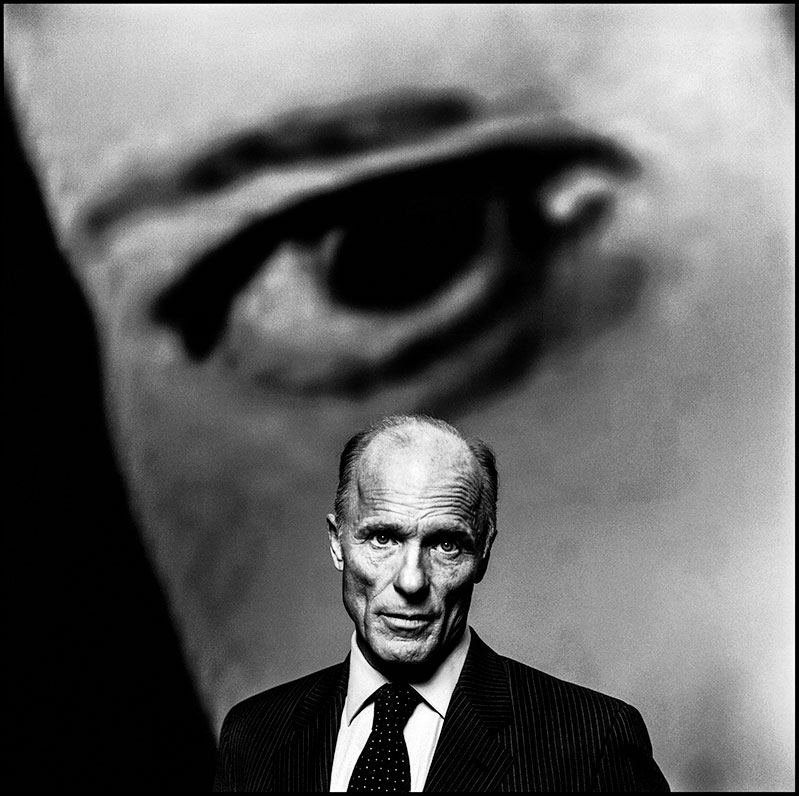
Mary Ellen Mark’s honest, evocative imagery captures moments such as an African-American parade in Harlem and portraits of public figures like Coretta Scott King and Michael Bloomberg with rich social commentary. In contrast, Martin Schoeller presents intimate close-ups with distinctive lighting, featuring cultural icons like Cindy Sherman.
Behind the Lens: Biondi’s Transformative Editorial Career
Biondi’s journey from Germany’s Geo magazine to the American media spotlight reflects her deep expertise in editorial photography. After years at Vanity Fair, she returned to Germany to lead Stern’s photography department during the historic post-Berlin Wall era. The phone call that changed everything came from Tina Brown, urging her to join The New Yorker as visuals editor, where she helped build a photo department that revolutionized the magazine’s visual storytelling.
“Tina needed someone who knew photography and who could build a photo department for the magazine,” Biondi shared during a discussion at The Church. “It was very exciting but intense. I was very fortunate to work for The New Yorker.”
Interactive and Immersive: More Than Photos on a Wall
The exhibit extends beyond framed images by featuring a curated rack of actual New Yorker issues containing the very photos on display, offering an immersive historical context that connects viewers to the publication’s evolution.
Other participating photographers include Ruven Afanador, Steve Pyke, and Max Vadukul, whose works range from celebrity portraits to whimsical food photography, illustrating the magazine’s broad photographic scope.
Why This Matters Now for Delaware and US Readers
At a moment when visual journalism shapes public perception like never before, “A Thousand Words” offers a rare, urgent opportunity to engage with some of the most powerful photography of the past half-century. It presents images that define political moments, capture social upheavals, and celebrate cultural milestones—many tied directly or indirectly to American history and global affairs.
For readers in Delaware and beyond, the exhibit’s presence in Sag Harbor—accessible for the next month—provides an immediate chance to witness the intersection of art, journalism, and history through photographs that continue to resonate in today’s rapidly shifting media landscape.
What’s Next?
Visitors should plan to see the exhibition before it wraps on May 31, 2026. Discussions and panels with curators and photographers have not been announced but may follow, given the show’s prominence.
Elisabeth Biondi’s