Iran Seizes Foreign-Flagged Oil Tankers Fueling US-Israel Maritime Conflict
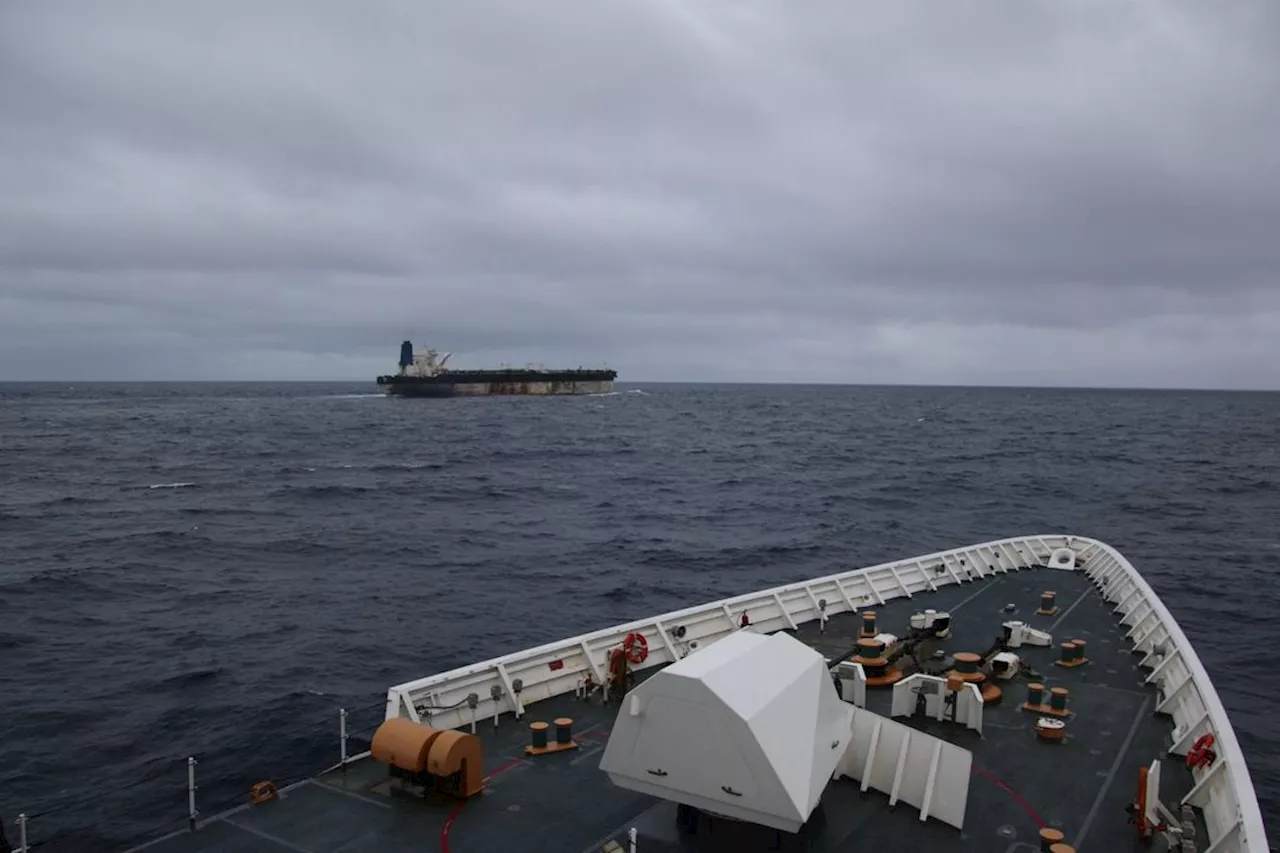
Iran’s Revolutionary Guard recently seized two oil tankers registered under foreign flags—Panama and Liberia—escalating tensions in the ongoing US-Israel war targeting Tehran’s oil exports. The MSC Francesca and Epaminondas were taken for alleged maritime violations and moved to Iranian shores, with authorities accusing the vessels of illegal navigation interference and links to Israel.
This development signals a mounting dispute in the Strait of Hormuz, a critical chokepoint for global oil shipments. Since February 28, Iran has maintained control over this strategic waterway, halting passage of tankers and container ships in retaliation against a US naval blockade launched on April 13. Both nations have seized ships, but details often blur due to vessels sailing under “flags of convenience” from countries like Panama, Liberia, and the Marshall Islands.
Flags of Convenience Mask True Ship Owners Amid Heightened Conflict
Under international maritime law, every ship must sail under a registered “flag state,” but most global tankers opt for so-called flags of convenience (FOC) to reduce costs and regulatory oversight. Approximately 75-80% of the world’s merchant fleet uses open registries that permit anonymous foreign ownership, enabling ship operators to avoid stricter safety, labor, and environmental regulations imposed by traditional maritime nations.
The MSC Francesca and Epaminondas exemplify this opaque system. Panama and Liberia—the two largest registries—offer low fees, lax labor protections, and minimal safety enforcement. This opacity often shields the true beneficial owners behind shells and multiple jurisdictions, complicating efforts to hold responsible parties accountable during international incidents or sanctions enforcement.
Growing Use of Tactical “Flag-Hopping” and Sanctions Evasion
Ship owners increasingly exploit FOCs alongside “flag-hopping,” frequently changing a vessel’s registration to dodge detection, port inspections, or punitive sanctions. For example, the Bella 1, later renamed Marinera, was chased for weeks near Venezuela and switched flags mid-voyage to avoid US boarding—highlighting how flagged tankers facilitate covert shipments of sanctioned oil, particularly involving Iran, Venezuela, and Russia.
Such tactics deepen risk in the Strait of Hormuz, where the US accuses Tehran of controlling shadow fleets that transport illicit oil under falsified flags to circumvent sanctions. The seizure of Panama- and Liberia-flagged tankers linked to Israel further complicates the volatile maritime chess match, escalating the stakes and uncertainty for US and global energy markets.
Why This Matters for US and Global Energy Security Today
The Strait of Hormuz channels about one-fifth of global oil shipments, so Iran’s ability to halt or seize vessels reverberates worldwide. The US naval blockade and Iran’s maritime restrictions raise the prospect of supply shocks, insurance cost spikes, and increased tensions that could affect fuel prices across the US, including in Delaware’s energy markets.
Moreover, the FOC system complicates enforcement and accountability. Past oil spills, such as a massive 1967 disaster by a Liberian-flagged tanker off the UK coast, have demonstrated how limited flag state oversight hampers financial responsibility, a scenario that could repeat amid escalating maritime conflicts. Given Delaware’s own maritime ports, the ripple effects of these geopolitics unfold closer to home than many realize.
What to Watch Next in an Escalating Maritime Standoff
The seizure of these vessels is a critical flashpoint in the US-Israel-Iran confrontation, with further maritime blockades and countermeasures expected. US authorities will likely increase monitoring and interdiction efforts against foreign-flagged ships suspected of sanction violations. Meanwhile, Iran’s control of the Strait remains a potent geopolitical lever that could disrupt global oil flows.
For Delaware and the US, the stakes include not only economic consequences but also the challenge of tracking and regulating vessels that engage in complex ownership and flag-hopping practices to undermine international law. As tensions rise, global shipping transparency may become a focus of urgent policy discussions in Washington and beyond.
“The opaque nature of ship registration under flags of convenience masks true ownership and complicates enforcement in this critical conflict zone,” maritime experts warn.
The Delaware Herald will continue to monitor developments as this maritime saga unfolds in real time, underscoring the intricate links between global geopolitics, oil security, and the oceans that connect us all.