Robert F. Kennedy Jr.’s Vaccine Program Attack Imperils GOP Midterm Prospects
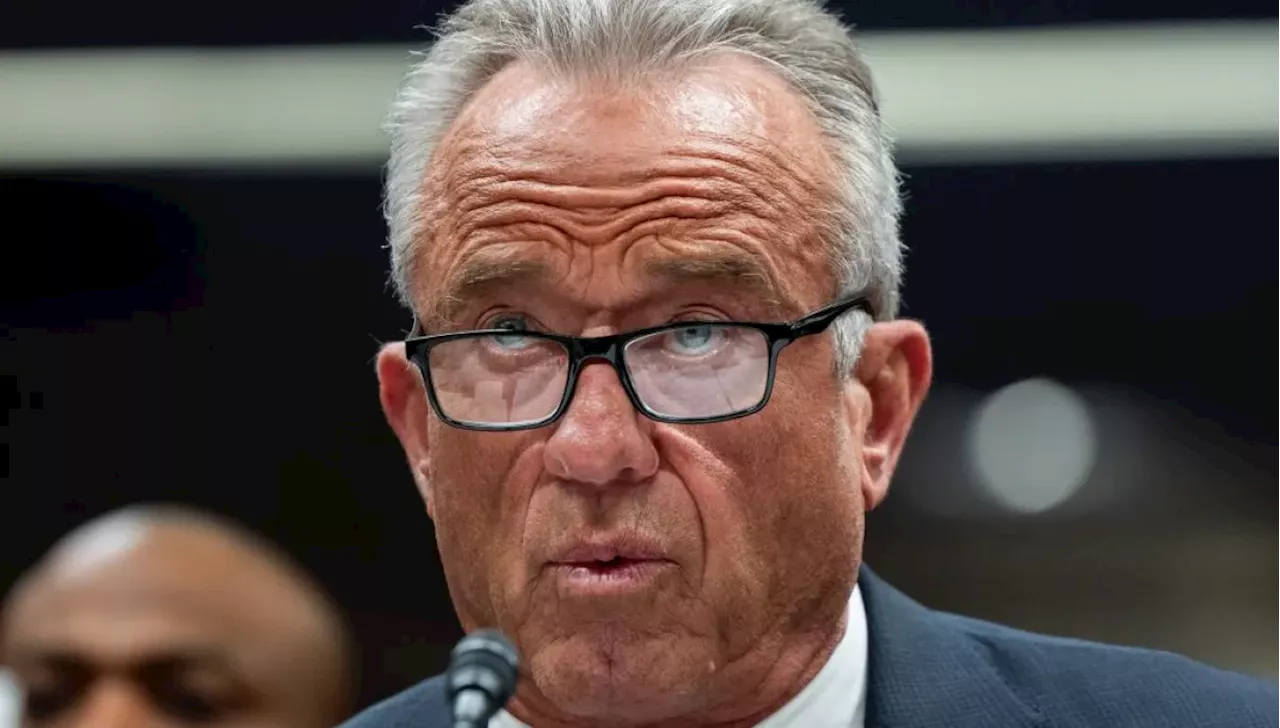
Robert F. Kennedy Jr., now leading the Department of Health and Human Services (HHS), is driving a fierce, unprecedented campaign against the National Vaccine Injury Compensation Program (VICP) that could reshape the 2026 midterm elections and imperil the Republican hold on Congress.
With less than eight months before the midterms, Kennedy’s controversial “Make America Healthy Again” (MAHA) agenda has triggered alarm inside the Trump administration and across swing districts where voters strongly oppose dismantling longstanding vaccine safety protections. The stakes could not be higher: If Kennedy succeeds in destabilizing VICP, experts warn it will fuel voter backlash and empower Democrats to reclaim both the House and Senate — effectively ending the GOP’s ability to advance its legislative priorities.
What’s Happening Now?
Kennedy, appointed by President Trump to lead HHS, has pushed radical proposals that critics say threaten to collapse the vaccine injury compensation fund. This program, which has disbursed over $5 billion in claims to vaccine injury victims since its inception, balances regulatory certainty for vaccine manufacturers with a streamlined compensation system for those legitimately harmed. Kennedy’s approach to “overload” the system with claims or modify the law to weaken these protections is shaking the foundation of America’s vaccine policy.
Despite a federal judge blocking many of Kennedy’s controversial appointments earlier this year and labeling his picks as “distinctly unqualified,” HHS is aggressively circumventing the ruling through maneuvers such as issuing a new Advisory Committee on Immunization Practices (ACIP) charter — a pivotal body that shapes vaccine recommendations covered under the Affordable Care Act.
Why It Matters to Voters Today
The ACIP’s vaccine recommendations are essential because the ACA requires insurers to fully cover all ACIP-approved vaccines at no cost to recipients. Kennedy’s plan to strip these recommendations threatens to nullify coverage guarantees, potentially leaving parents nationwide responsible for expenses on routine pediatric vaccines they have never had to pay for before.
This looming vaccine supply crisis, coupled with rising costs and diminished access, hits working-class families hardest — the same voters who energized Trump’s 2024 win. The risk? Alienating these key swing voters just as the midterm elections approach, handing Democrats an electoral advantage.
Polling Signals a Voter Revolt
Public opposition to the MAHA vaccine policies is fierce and broad. Polling shows not only liberals but also moderates and libertarians — crucial components of the Trump coalition — oppose moves to eliminate childhood vaccine protections. A recent poll revealed that candidates who back such policies face a damaging net 12-point unfavorability margin, a significant indicator in highly competitive swing districts.
With control of Congress hanging on the decisions of voters in a few dozen critical districts, the Trump administration’s backing of Kennedy’s agenda is an electoral gamble with potentially devastating consequences.
The Wider Impact and Next Steps
Health freedom advocates within MAHA argue they are defending liberties by fighting vaccine mandates and corporate protections. However, experts stress that true health freedom depends on stable access to safe and affordable vaccines — a system currently bolstered by VICP’s unique balance of protections for manufacturers and claimants alike.
If the program collapses, the US risks plunging back into a fraught era of vaccine shortages, higher costs, and lawsuits — dynamics that initially fueled populist unrest and boosted Trump’s electoral base. This jeopardizes not only vaccine availability but economic stability and the GOP’s broader agenda, including ongoing tax and trade policies.
Observers urge the Trump administration to reconsider its support for policies that strike at these vital protections. Otherwise, the midterms could usher in a political reversal with Democrats retaking Congress and halting Trump’s legislative vision post-January 2027.
“If Americans believe they’re less free than they were 18 months ago, they will vote accordingly,” analysts warn, underscoring the delicate balance ahead in the race for Congress.
Delaware voters, like those nationwide, face the direct repercussions of this turmoil. As vaccine access and health care affordability hang in the balance, the fight over vaccine policy is shaping up as a decisive factor in the 2026 elections — one that could reshape governance and policy for years to come.
The evolving battle over VICP and vaccine policy is unfolding rapidly. Stakeholders and voters must watch closely as new developments could redefine health freedom, economic stability, and political control with just months remaining until election day.