Three Rivers Avian Center Opens Its Doors to Fight Migratory Bird Crisis
HINTON, W.Va. — The Three Rivers Avian Center in Hinton has thrown open its gates to the public, urging urgent action amid a staggering 52% decline in migratory birds over the past two decades. This nonprofit is spotlighting the threat to native bird populations through guided tours of its sprawling 100-acre wildlife preserve, revealing the plight of species once common across the U.S. skies.
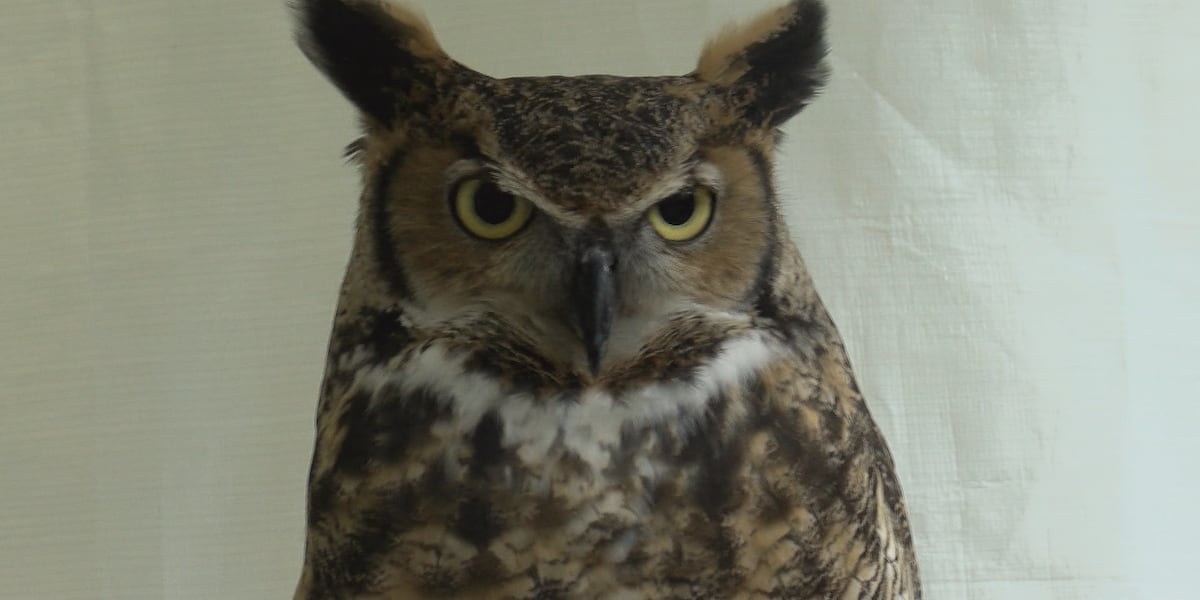
“We want to engage the public immediately so they understand the crisis and what they can do in their day-to-day lives,” said Wendy Perrone, executive director of Three Rivers Avian Center. She highlighted the center’s role as both a conservation hub and educational institution where visitors meet the facility’s 13 ambassador birds, including owls, crows, and majestic bald eagles.
Public Tours Launch as Conservation Efforts Intensify
Established in 1990, the center is marking over 36 years of dedicated wildlife rehabilitation and public education. The recent decision to open the preserve for tours is designed to increase awareness while supporting ongoing rehabilitation and care efforts funded by private donations and grants. Visitors can now get up close with injured and recovering birds, learning what it takes to maintain and protect West Virginia’s—and ultimately America’s—avian wildlife.
“People come here to meet Gimli, one of our ambassadors, or Hoolie, right on my shoulder,” Perrone said during today’s opening. “We’re already seeing a flow of families and bird enthusiasts eager to connect with these incredible creatures.”
These tours are part of a wider slate of summer events that the center plans to host, aimed at educating communities about conservation and encouraging active wildlife support. In light of falling bird populations, the center’s message is clear: the public must engage now to reverse dangerous trends.
A Dire Warning on Migratory Bird Decline
Newly revealed data from the center echoes broader national studies: over the last 20 years, migratory birds have vanished from the skies at an alarming rate—down by more than half. This loss affects ecosystems far beyond West Virginia, with ripple effects reaching Delaware and the entire U.S.
“In the last twenty years, we’ve lost 52% of the migratory birds that used to fill our skies and so it’s really bad situation right now,” said Perrone. “If we can get people to understand what they can do, we may be able to turn this disaster around.”
For Delaware and other states along migratory pathways, the implications are severe. Birds play critical roles in pest control, plant pollination, and ecosystem health—services directly tied to human well-being.
Why This Matters to Delaware and Across the U.S.
Delaware shares migratory flyways with West Virginia and states across the Eastern Seaboard, meaning these declines are not isolated. The Three Rivers Avian Center’s model offers a blueprint for urgent community engagement and conservation efforts nationwide. Protecting migratory species requires coordinated education, habitat preservation, and supporting rehabilitation centers like Three Rivers.
The center urges visitors to learn more about actionable steps such as reducing pesticide use, planting native vegetation, and supporting local bird conservation initiatives—measures that can be implemented anywhere from Hinton to Wilmington.
Next Steps and Summer Outreach
The ongoing tour events at Three Rivers are set to continue throughout the summer, with plans for expanded programming aimed at deepening public understanding and involvement. The center also welcomes donations and volunteer support to sustain its vital services.
With migratory birds vanishing at a historic rate, Three Rivers Avian Center’s public opening is a pressing call for immediate action. Bird lovers and concerned citizens in Delaware and nationwide need to heed this warning and join the fight to save vital bird populations before it’s too late.
For more information on tours and events, visit the Three Rivers Avian Center website or contact the center directly. Protecting our native and migratory birds starts with awareness, action, and community support—right now.