Gen Z Drives Nationwide Trinket Trend Amid Economic Woes
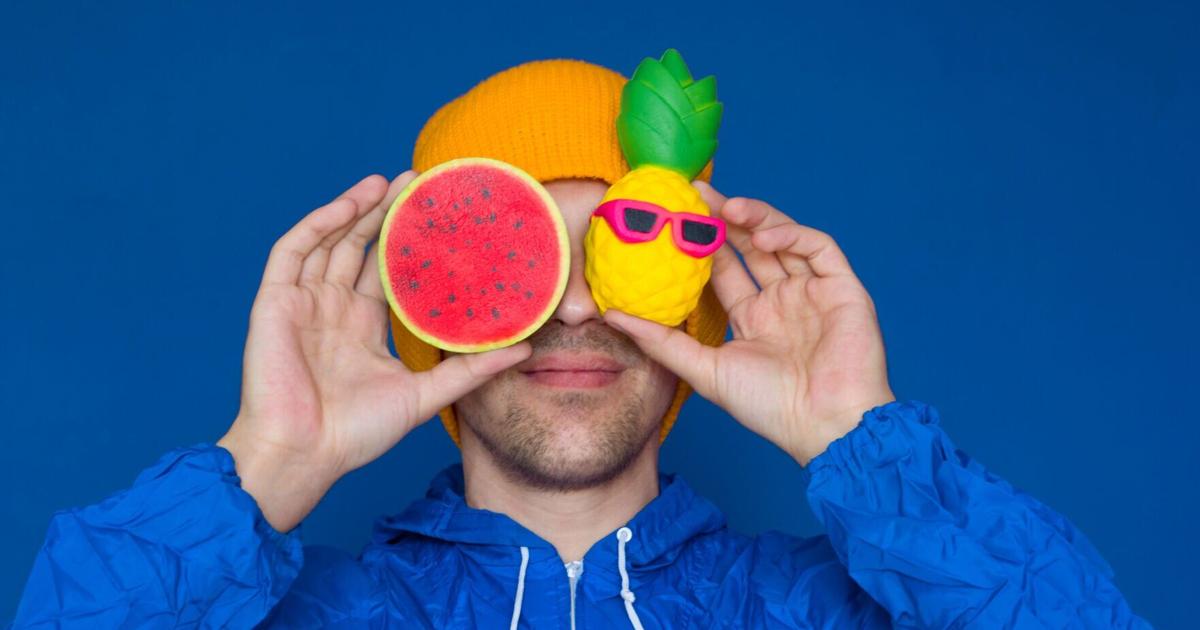
The “trinket trend” is sweeping across American homes, fueled by Gen Z’s pursuit of small, affordable items that bring daily joy in uncertain economic times. From popular Owala and Stanley water bottles to must-have squishy toys like NeeDoh and collectible Jellycat plushies, millions are snapping up these mini collectibles right now.
MaryLeigh Bliss, chief content officer at youth research firm YPulse, revealed at the National Retail Federation’s State of Retail & the Consumer event that more than half of Gen Zers doubt the economy will improve this year and prioritize buying small items that offer “little dopamine hits.” This is driving a boom in trinket buying as Gen Z looks for affordable ways to cope.
“It’s not necessarily that huge splurge, but the more consistent purchases, that they can have that little dopamine hit to kind of get through the weeks,” Bliss said, highlighting why toys like Funko POP! figures at roughly $15 and NeeDoh squeeze toys costing about $5 are flying off shelves.
Tiny Treasures Spark Joy but Also Clutter and Costs
These trinkets aren’t just for kids. Sensory toys are popular with the youngest Gen Alpha generation and many adults embrace the so-called “kidulting” trend — collecting toys for stress relief and fun. Licensed therapist Kiki Jacobson from Wilmington, North Carolina, explains, “Squishy toys can provide sensory regulation for people with ADHD or autism and serve as tools for identity and self-expression.”
But with this craze comes real consequences. Parents report overflowing toy boxes and counters cluttered with trinkets amassed from parties, dentist visits, and routine outings. Some sought-after items have become resale gold, with rare Labubu monsters or NeeDoh toys fetching hundreds or even thousands of dollars online, forcing some buyers into overspending.
“I didn’t plan on joining the trend but these toys keep showing up,” says one parent overwhelmed by their children’s growing collections. Lost keychains, broken toys leaking water beads, and sibling fights over prized items are among the common headaches families face.
Surging Online Searches Confirm Mania
Google data underscores the trend’s momentum, with more than 90,000 monthly searches for “NeeDoh” alone, while queries for “squishies” and “sensory toys” are reaching record highs nationwide. Social media platforms like TikTok and Instagram amplify hype through viral unboxings, surprise reveals, and product “drops” that make trinkets feel instantly collectible and scarce.
Jacobson warns that social media algorithms intensify emotional hooks, resulting in rapid buying decisions often followed by buyer’s regret. She advises consumers to “buy a trinket because you truly like it, not because it’s going viral,” and to set clear spending boundaries to avoid debt.
Managing the Trend: Practical Tips for Buyers
Experts recommend setting firm budgets, avoiding “buy now, pay later” temptations, and considering cheaper off-brand alternatives to enjoy the trend sustainably. Participating in neighborhood trinket trades or local groups can also offer free or low-cost ways to join the craze without excess spending.
As the trinket trend continues to grow nationwide, it offers a glimpse of how Americans, especially younger generations, are coping with financial pressures through small, affordable bursts of joy. While these tiny treasures can brighten days and build friendships, they also challenge consumers to balance pleasure with prudence amid a booming collectible culture.