The practice of “birth tourism,” where pregnant women travel to the United States to give birth and secure citizenship for their children, has gained significant traction, particularly among Chinese nationals. According to author Peter Schweizer, this phenomenon has been “weaponized” by Chinese elites, leading to a generation of American citizens who may not feel a strong allegiance to the United States.
On January 1, 2025, the first American newborn of the year was welcomed into the world in the Pacific territory of Saipan. The infant’s parents were Chinese citizens who had traveled specifically to ensure their child would obtain U.S. citizenship through birthright laws rooted in the Fourteenth Amendment. In Saipan, over 70% of newborns are born to Chinese parents, a reflection of the territory’s favorable visa policies which allow for 45-day visa-free visits.
Estimates regarding the scale of birth tourism vary widely. A nonprofit organization reported approximately 36,000 foreign-born women gave birth in the U.S. in 2012. However, Chinese officials suggest the number is as high as 50,000 annually, with some scholars like Australian professor Salvator Babones estimating that the total could reach 100,000 Chinese babies born as U.S. citizens each year. This could result in as many as 1.5 million Chinese-American citizens by 2030, when many of these children reach adulthood.
These children often come from affluent backgrounds, educated in institutions influenced by the Chinese Communist Party (CCP). They are raised with a perspective shaped by the CCP, which can create a disconnect between their American citizenship and their upbringing. As they reach voting age, these individuals could significantly impact U.S. society, particularly if they maintain ties to their parents’ homeland.
The issue extends beyond birth tourism alone. An alarming trend involves the use of surrogacy arrangements where Chinese officials have children born in the U.S. and then return to China to raise them. One notable case is Guojun Xuan, a senior CCP official who has invested heavily in California real estate and has reportedly used surrogacy to produce multiple children in the U.S. Investigations revealed that Xuan had numerous children living in his home, which operated more like a surrogacy center than a traditional family residence.
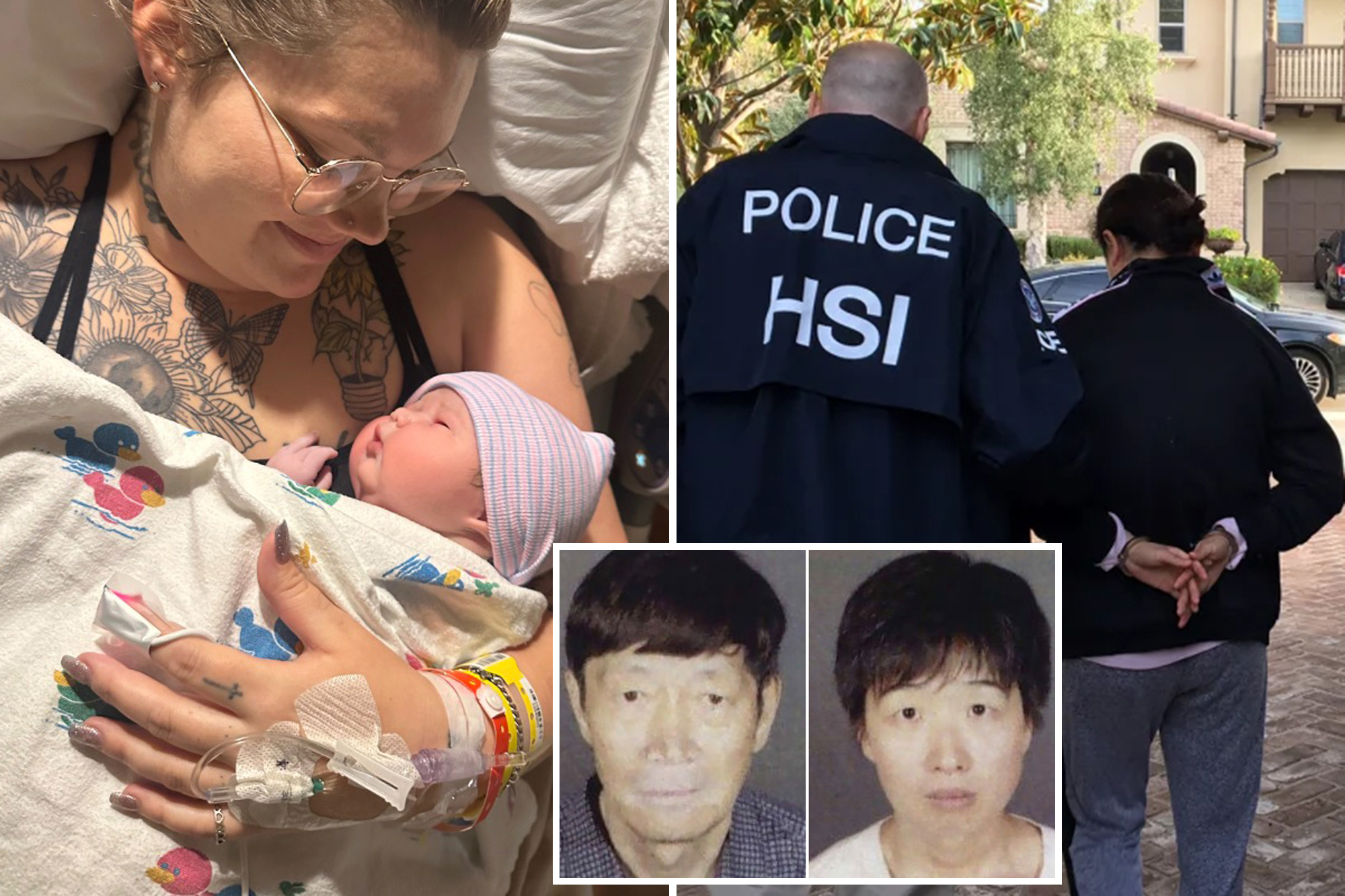
In California, a business named You Win USA facilitated birth tourism by charging Chinese clients between $40,000 and $80,000 for services that included evading U.S. Customs and Border Patrol. The company instructed pregnant women on how to disguise their conditions and provided accommodations and medical care leading up to childbirth. The medical costs were significantly reduced for these wealthy clients, allowing them to pay as little as $4,000 for services that normally cost around $25,000.
The founder of You Win USA, Dongyuan Li, pleaded guilty to immigration fraud and received a minimal sentence, reflecting a significant gap in accountability for those exploiting the system. Although her operation was shut down, numerous similar businesses continue to thrive, such as Mifubaby Group, which operates internationally and promotes birth tourism across various platforms.
The surge in birth tourism has roots in policy changes during Barack Obama‘s presidency, where the administration made it easier for foreign nationals to obtain visas, even if they intended to give birth in the U.S. This shift contributed to a rise in the number of Chinese citizens seeking to exploit U.S. citizenship policies.
Despite the potential implications for U.S. society, the Chinese government has not sought to curb this trend. Instead, it appears to view birth tourism as a profitable enterprise, with Chinese officials endorsing the practice as a means to foster economic opportunities. The consequences of this influx of new citizens, however, raises questions about loyalty and the broader impact on American values.
As the trend continues to evolve, it remains to be seen how the increasing number of American citizens born to foreign parents will influence U.S. politics and society in the coming years. The scenario presents a complex interplay of immigration, national identity, and geopolitical strategy, which could redefine the relationship between the United States and China.