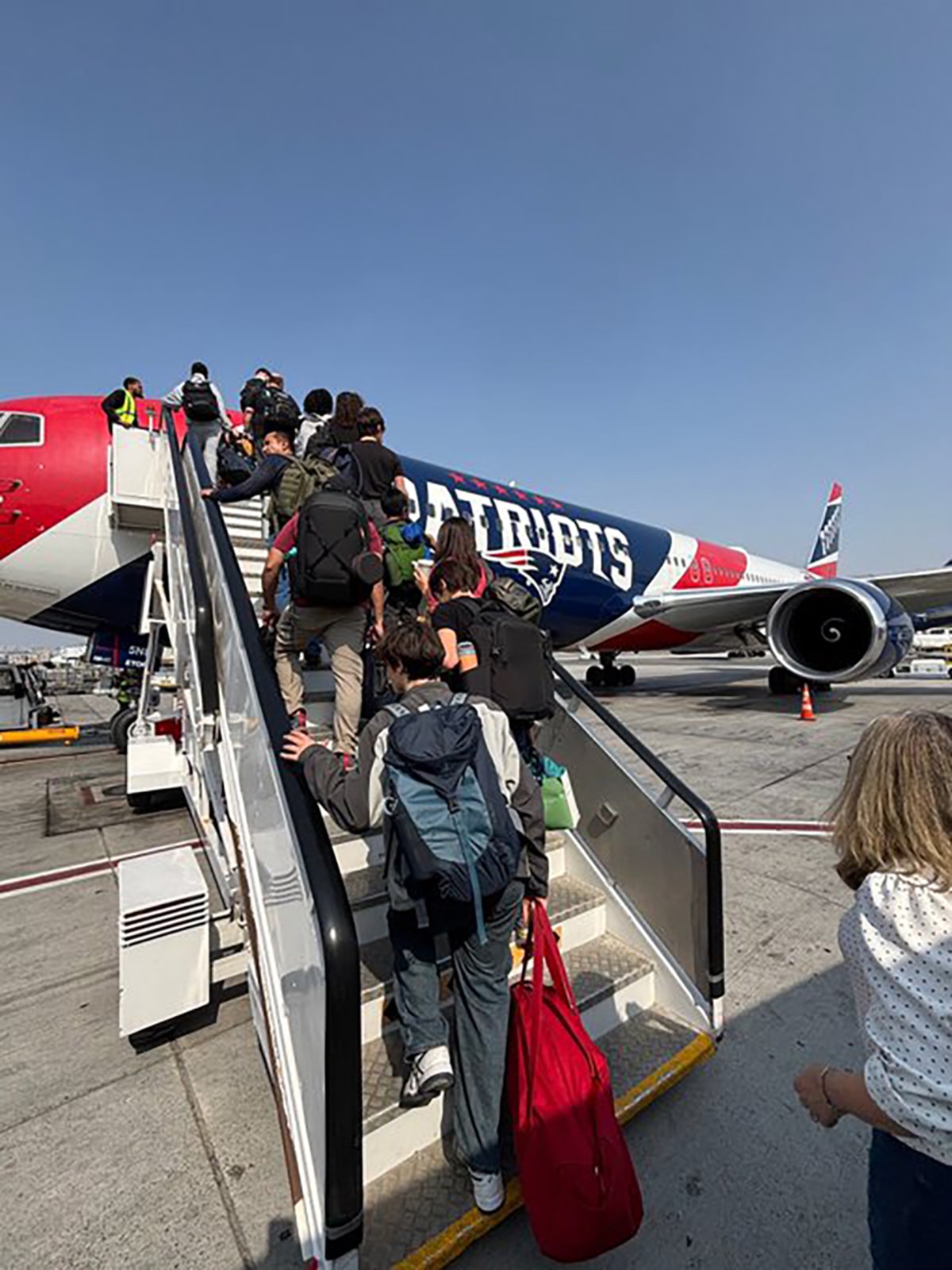
Americans stranded in the Middle East are expressing feelings of abandonment following a recent travel warning issued by the U.S. State Department. This alert came just days after the United States launched airstrikes against Iran, escalating tensions in the region. Many citizens now find themselves in precarious situations, with limited support from the government.
The State Department’s warning, released on March 15, 2024, urged American citizens to leave the Middle East immediately. The advisory highlighted the risks posed by the deteriorating security situation following the strikes. Officials advised those in the region to utilize commercial flights to return home, indicating a preference for private travel over government-assisted evacuation.
Individuals affected by the situation have reported difficulty securing flights as airlines adjust their schedules amid increasing uncertainty. The lack of available seats has compounded their stress, leaving many feeling isolated and anxious about their safety. “We were told to leave, but now we are stuck here with no real options,” one American citizen stated.
Many stranded Americans have reached out to their local embassies for assistance, but responses have varied significantly. Some reported minimal help in arranging alternative travel or securing accommodations. This has led to growing frustration among citizens who feel that the U.S. government has not provided adequate support during this crisis.
In light of these circumstances, the U.S. State Department has acknowledged the challenges citizens face in the region. A spokesperson emphasized their ongoing efforts to assist those in need while reiterating the importance of heeding travel advisories. The statement underscored that the safety and security of American citizens remain a top priority.
Despite the government’s assurances, the emotional toll on those affected is evident. Many families are grappling with fear and uncertainty as they await updates on their situations. With the conflict intensifying, some Americans are concerned about the potential for further military actions and what that could mean for their safety.
The current situation serves as a stark reminder of the complexities involved in international relations and the challenges faced by citizens abroad during times of conflict. As tensions remain high, the hope is that those stranded will soon find a pathway back to safety.
Moving forward, it is essential for the U.S. government to enhance communication with its citizens abroad and provide clearer guidance and support in such critical situations. The experiences of those currently stranded may prompt a reevaluation of evacuation protocols and crisis management strategies to ensure that Americans receive the necessary assistance when they need it most.