BREAKING: A former top scientist at the National Institutes of Health (NIH) has launched a lawsuit against the Trump administration, alleging she was illegally dismissed for raising alarms over drastic research funding cuts that threaten patient safety. The lawsuit was filed in federal court in Maryland on Tuesday, September 26, 2023.
Dr. Jeanne Marrazzo, a prominent expert in HIV and former leader of the NIH’s National Institute of Allergy and Infectious Diseases, claims her termination was retaliation for her whistleblower actions. She warned that the abrupt cuts to critical research programs endanger public health and potentially harm over 74,000 individuals involved in clinical trials for various treatments, including cancer and brain diseases.
The NIH has slashed billions from research projects since President Trump took office, bypassing standard funding protocols. Dr. Marrazzo was placed on administrative leave after voicing her concerns about the cuts, which she argued would jeopardize clinical trial participants and hinder essential vaccine and infectious disease research.
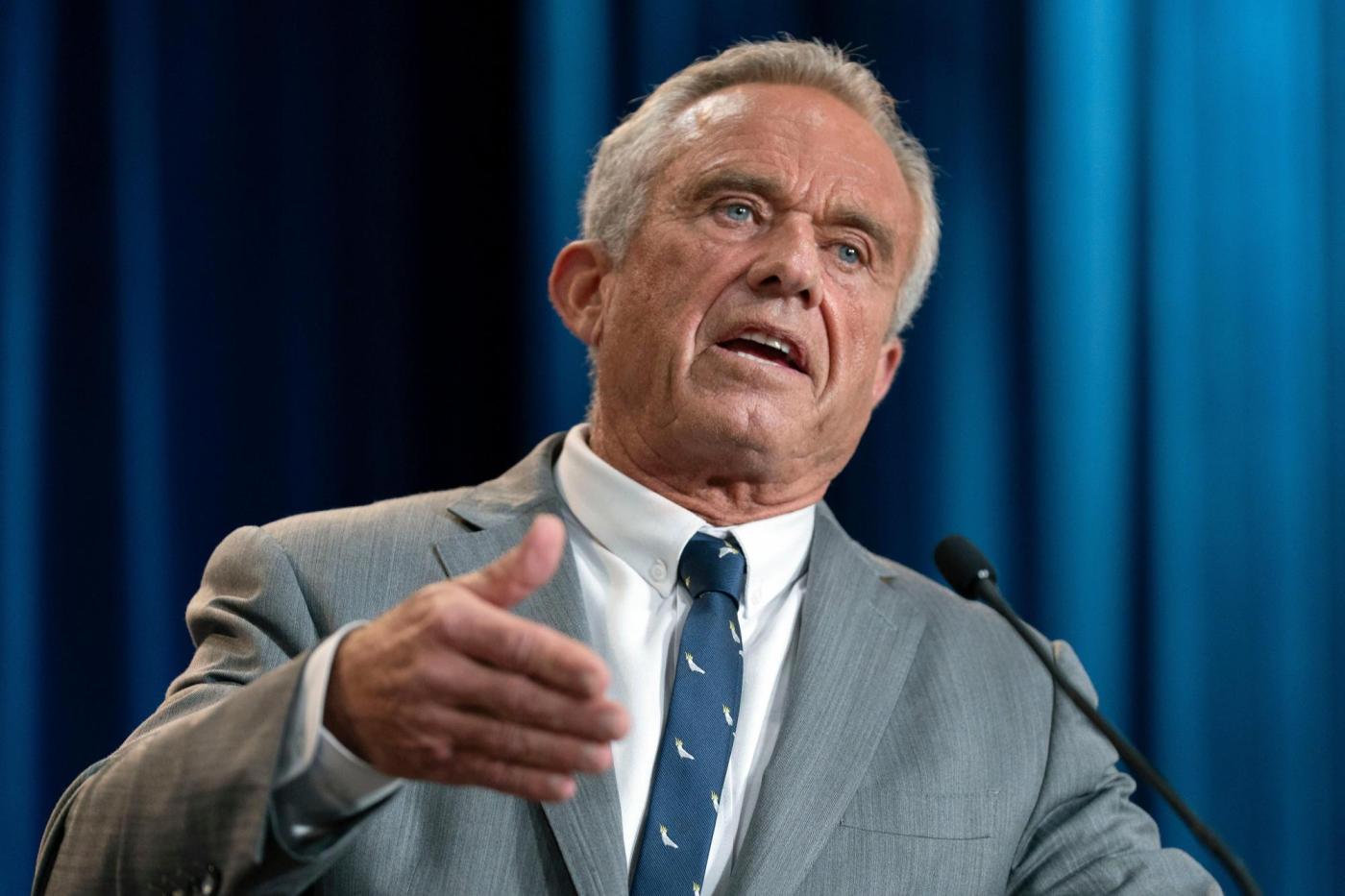
In her lawsuit, Dr. Marrazzo asserts that her firing by Health Secretary Robert F. Kennedy Jr. is a direct violation of whistleblower protections. She previously filed a complaint with the U.S. Office of Special Counsel in September, alleging retaliation for her efforts to expose what she describes as abuse and fraud within the government.
In a statement issued by her legal team, Dr. Marrazzo emphasized the broader implications of her case, stating, “This lawsuit is about protecting not just my right to expose abuse and fraud by our government but those rights for all federal employees.” Her message resonates with many who fear that such actions could compromise essential public health priorities and the integrity of scientific research.
As the legal battle unfolds, the Department of Health and Human Services has declined to comment on the lawsuit. This developing story highlights the ongoing tensions between federal research priorities and individual rights, raising urgent concerns about the future of public health initiatives in the United States.
Stay tuned as more updates become available on this critical issue that impacts thousands of patients and public health policies nationwide.