Two Monroe County Health Check Events Canceled Due to Lab Service Failures
Monroe County residents face a sudden setback as two Health Check events scheduled for May 14 and May 28 have been canceled due to an unexpected failure to secure vital lab services.
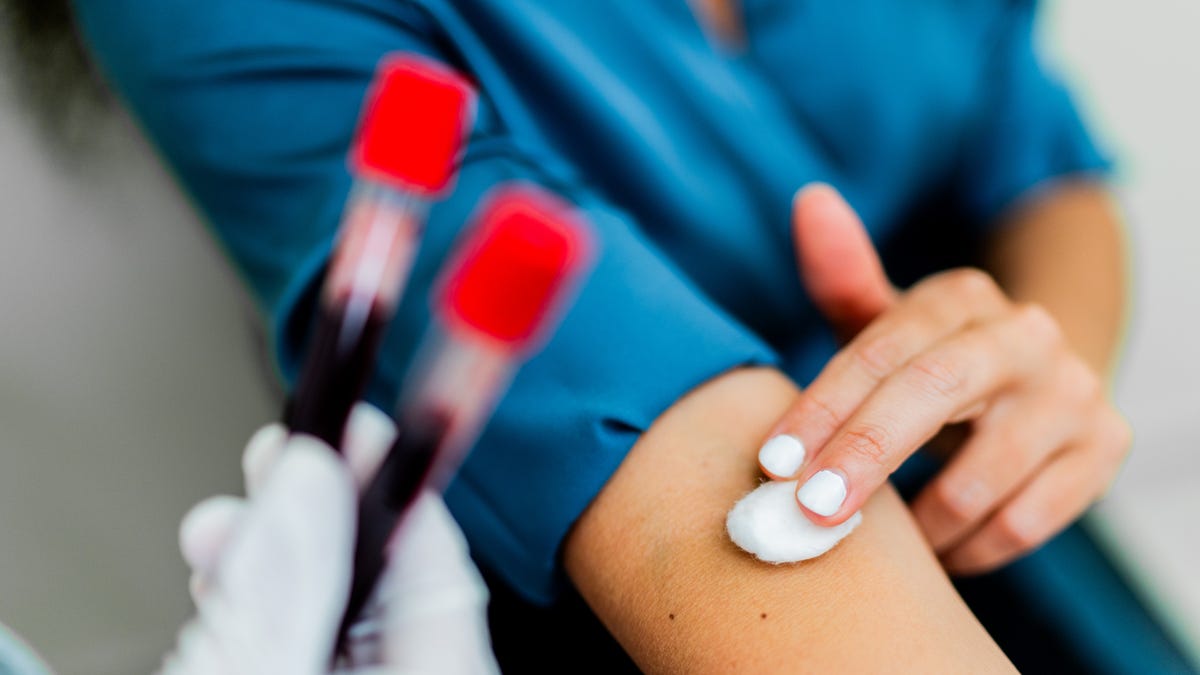
The United Way of Monroe/Lenawee Counties confirmed the cancellations Thursday, citing the unavailability of blood panel services essential to the Health Check model. These lab tests are crucial for the program’s ability to provide affordable, comprehensive health screenings to the community.
“Due to unforeseen circumstances, we are unable to have lab services for these Health Check events,” said Laura Schultz Pipis, executive director of United Way of Monroe/Lenawee Counties. “The blood panel services are the cornerstone of the Health Check model, and because of that, we regrettably have to cancel the May 14 and May 28 Health Check events.”
The canceled events were planned at Our Lady of Mount Carmel Church in Temperance on May 14 and the Dundee Assembly of God Church in Dundee on May 28. The Health Check program has been a community staple for nearly four decades in Monroe County and eight years in Lenawee County, offering low-cost health evaluations supported by multiple local partners.
This abrupt disruption affects thousands who rely on these screenings for early detection and preventive care, especially those without regular access to healthcare services.
What’s Next for Monroe County Health Screening?
United Way officials assured the community that efforts are underway to reschedule the events as soon as lab services become available again. Residents are urged to follow updates on the United Way of Monroe/Lenawee Counties’ website and social media channels for announcements of new dates.
For immediate information, community members can contact United Way directly at 734-242-1331 or email Laura Schultz Pipis at [email protected].
This disruption spotlights the fragility of critical health infrastructures even in well-established programs and poses urgent questions about securing reliable lab partnerships to prevent service gaps in the future.
Delaware readers and those nationwide can find broader relevance in this developing story as communities everywhere face similar challenges maintaining essential public health services amid provider shortages and logistic hurdles.