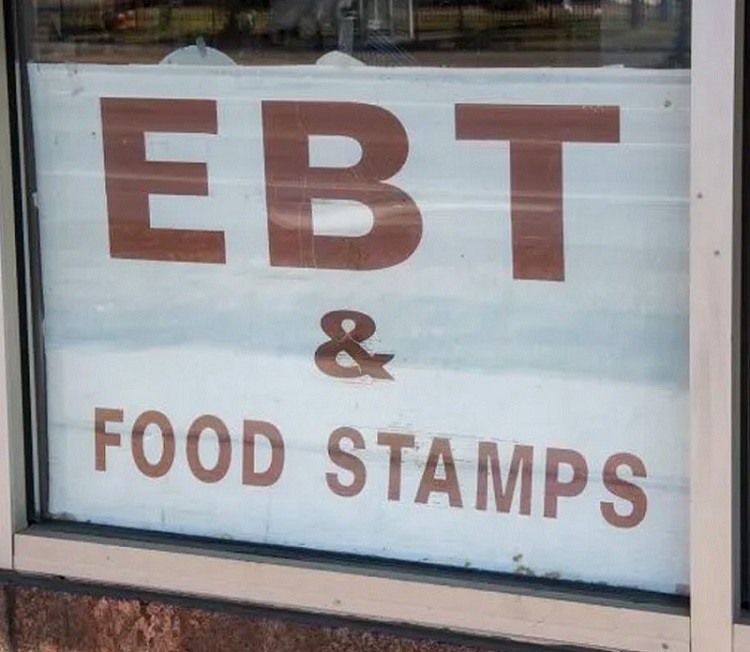
New data confirms nearly 300,000 Floridians have lost their SNAP benefits following sweeping federal cuts that took effect recently, delivering a critical blow to low-income families across the state. These drastic cuts stem from a $186 billion reduction in SNAP funding embedded in last year’s massive federal spending bill, dramatically changing who qualifies and shifting greater costs to states like Florida.
The Center on Budget and Policy Priorities reports a nationwide loss of 3 million SNAP recipients over just six months — an unprecedented 8% drop marking the steepest decline in decades. Florida’s reduction rate, at 9.8%, is particularly sharp, with enrollment falling from 2.85 million in July 2025 to 2.57 million by January 2026, according to official federal numbers. That represents a loss of 278,720 Floridians currently unable to access these vital food benefits.
Stricter Rules Hit Seniors, Veterans, and Families
Florida’s Department of Children and Families (DCF) initially predicted about 181,000 residents would be cut from SNAP under stringent new eligibility rules rolled out this past winter. However, independent analysts believe even more people have lost aid. A substantial portion includes seniors aged 55 to 64 who have lost former exemptions, veterans, homeless individuals, and families with older teenagers now facing tougher work requirements.
Previously, able-bodied adults aged 18 to 54 without dependents had to meet certain work or program participation criteria to stay eligible. The new rules extend minimum work hours to those 55 to 64 years old and to parents with children over 14, requiring 20 hours of work per week or imposing a three-month time limit over three years otherwise. Meanwhile, exemptions for vulnerable groups such as veterans and former foster youth have been eliminated.
Rising Costs and High Error Rates Threaten Florida’s Budget
These policy shifts are not just affecting families; they are also straining Florida’s finances. The state now faces an expected $50 million annual cost increase for SNAP administration starting this October. Previously cost-sharing the program equally with the federal government, Florida will soon absorb an additional 25% share of expenses, raising the state’s burden significantly.
Compounding challenges, Florida’s SNAP error rate is at 15%, one of the highest nationwide. This could cost the state nearly $984 million in penalties for administrative mistakes under the new federal framework—a massive financial risk that threatens critical social services.
Widespread Impact Raises Alarms Nationwide
Florida’s SNAP reductions show how intensified federal policies ripple across the country. States like Arizona have reported a staggering 42% drop in SNAP enrollment; Georgia’s figures fell by 24%, while Virginia and Tennessee each saw declines of about 12%. These cuts come amid persistent inflation, with rising food and fuel prices exacerbating hardships.
Residents who rely on SNAP face stark choices: stretching tight budgets between food, medication, rent, and other essentials. These changes are not driven by improved economic conditions, experts warn, but by policy decisions reshaping the safety net.
What Happens Next?
With more cuts looming nationwide and states grappling with increased fiscal demands, the future for SNAP recipients remains uncertain. Florida’s DCF and advocacy groups are closely monitoring the impacts while urging lawmakers to reconsider such sweeping reforms that hit vulnerable populations hardest.
Those affected in Florida and beyond are encouraged to share their stories and concerns through local media outlets and community organizations, pushing for greater public awareness and policy action.
The Delaware Herald will continue tracking how these federal funding cuts evolve and what they mean for families struggling to keep food on the table in Delaware and across the United States.