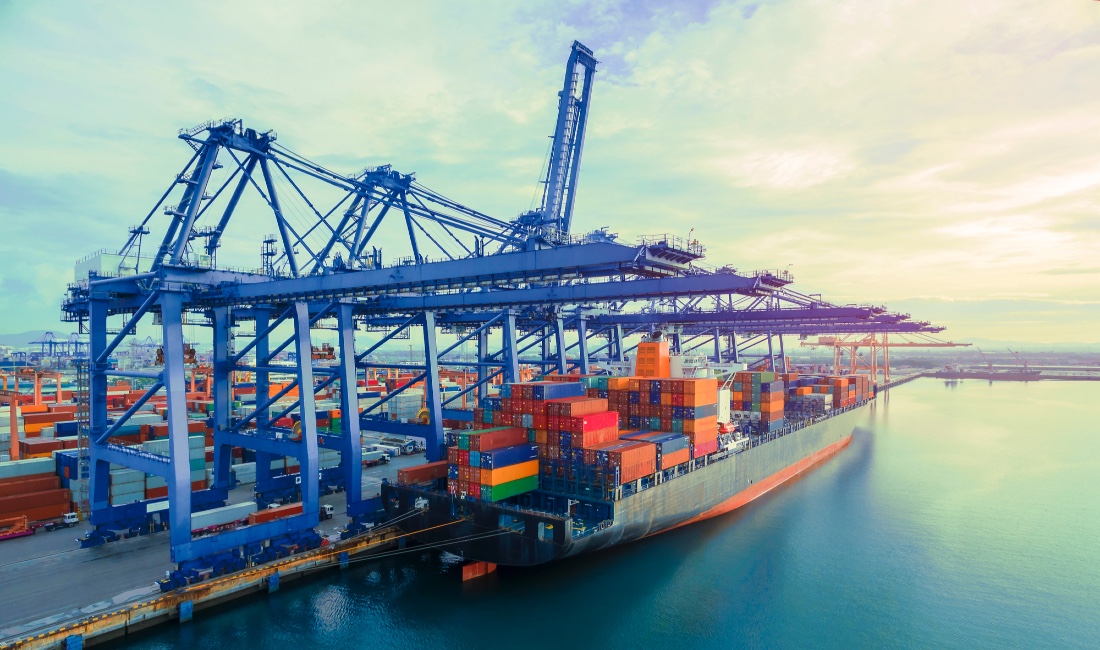
Global trade is undergoing a dramatic upheaval after the reported closure of the Strait of Hormuz, triggering urgent shifts in shipping routes and a surge in land-based transport logistics. According to AFP news agency, the halt of commercial shipping through this vital chokepoint has forced companies to reroute cargo and goods along alternative land and sea corridors immediately.
Saudi Arabia’s Jeddah Port has surged as a critical hub for rerouted supplies destined for Gulf countries previously served by the Strait. Major international shipping firms are now sending cargo through the Suez Canal directly to Jeddah, where goods are transferred onto trucks for overland delivery to key markets including Sharjah, Bahrain, and Kuwait. This change comes amid restricted sea access in the area for the past two months, severely limiting conventional maritime supply chains.
Supply experts warn that this sudden shift has put Jeddah Port under intense strain, causing congestion and long delays due to its current inability to fully absorb the sharp increase in trade volume. Other regional ports including Sohar in Oman, Khor Fakkan and Fujairah in the UAE are also being pressed into service to help manage the overflow.
Jordan’s Aqaba Port has become a vital gateway for shipments headed to Iraq, with goods moving onward to key Iraqi cities such as Baghdad and Basra. Northern Iraq is also increasingly supplied through Turkey, highlighting how entire trade corridors are rapidly evolving in response to this disruption.
Industry analysts note that the ongoing closure of the Strait of Hormuz, one of the world’s most strategically important maritime routes, is not just a temporary obstacle but is reshaping global trade networks and supply chain strategies long-term. With this development, the ripple effects will be felt across industries that rely on the steady flow of goods from Asia to the Middle East and Europe.
For US businesses and consumers, this means potential supply delays and higher costs as shipping companies grapple with congested alternative routes and increased land transport expenses. The disruption underscores the fragility of global trade hubs and the urgent need for diversified logistics strategies.
Officials and shipping industry leaders continue to monitor the situation closely. The unfolding crisis demands rapid adaptation as regional ports struggle to manage the surge, prompting ongoing logistical and geopolitical concerns.
This major realignment in maritime trade routes highlights how a single geopolitical flashpoint can rapidly alter the flow of goods worldwide, with direct consequences for markets across the United States, including Delaware’s import-dependent industries.
Stay with The Delaware Herald for continuous updates on this developing story and its impact on global trade and supply networks.