Good Housekeeping Institute reveals its rigorous washing machine testing process designed to identify the best machines for consumers right now. From stain removal to fabric care and cycle speed, their comprehensive lab evaluations ensure you invest in a washer that genuinely delivers.
With so many models flooding the market, choosing a reliable washing machine can feel overwhelming. That’s why the Good Housekeeping Institute’s Home Care Cleaning Lab conducts controlled tests grounded in standards set by the Association of Home Appliance Manufacturers. These tests remove outside variables like water hardness or detergent choice to fairly compare models on key performance metrics.
How Washing Machines Are Put to the Ultimate Test
Before testing even begins, the research team tracks the latest laundry innovations at trade shows and brand meetings. This ensures that every machine examined represents what consumers are currently finding in stores across the US, including Delaware households.
Wash tests simulate various real-life laundry loads, including towels, sheets, and pillowcases, across common cycles such as Normal, Quick Wash, and Delicates. This multi-scenario testing reveals how machines perform not just on cleaning but also fabric gentleness, water extraction, and speed.
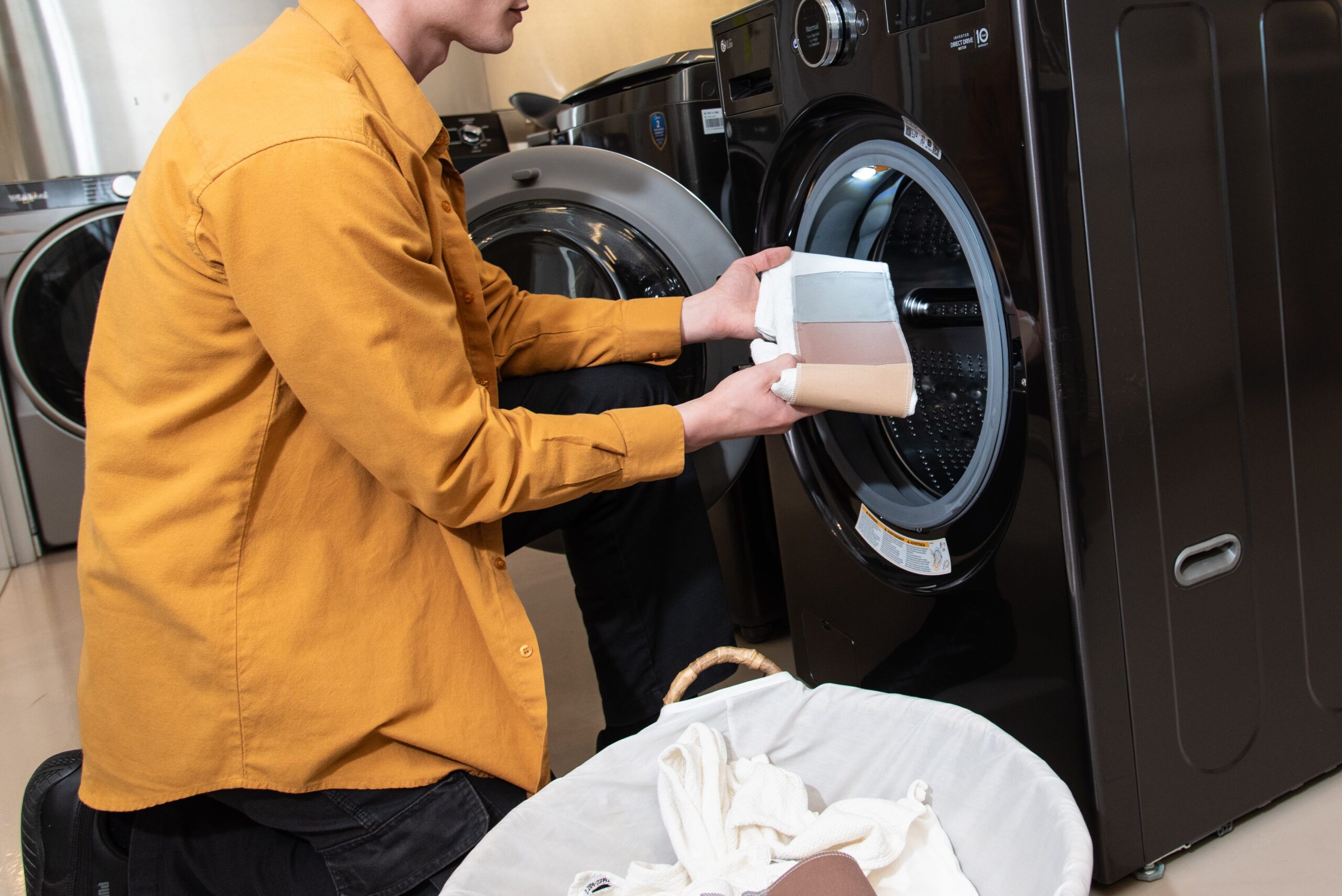
Cleaning power is critical. Each test load carries pre-made stain strips stained with common soils like wine, body oil, and blood. Post-wash, these strips undergo colorimeter analysis that quantifies stain removal — a scientific approach ensuring objective performance results.
Assessing gentleness involves delicate cotton swatches embedded with fray points. The team counts thread damage after washing, offering a rare glimpse into how each machine protects your clothes over time.
Water removal happens during the spin cycle, crucial to reduce dryer time and energy. Test loads are weighed before and after cycles to calculate exactly how much excess water machines extract, highlighting standout performance.
Speed is tracked for all cycles and load sizes. Every model’s time-to-finish is measured to help shoppers find washers that save time without sacrificing quality.
More Than Lab Tests: Real-World Consumer Insights
Beyond lab precision, consumer testers receive select washing machines for at-home use. These staff trials uncover how well machines handle day-to-day laundry demands, focusing on ease of use, noise, and long-term durability — aspects lab tests alone can’t fully capture.
Particularly for Delaware residents balancing busy schedules and family laundry loads, these user insights ensure recommended washers are not only efficient but practical and reliable.
Final Verdict: How Good Housekeeping Recommends Your Next Washer
Recommendations emerge from cross-referencing lab data and in-home testing results. Machines excelling in cleaning, fabric care, water efficiency, speed, and user-friendliness rise to the top.
Efficiency metrics like water usage and energy consumption weigh into final scores, ensuring shoppers invest in washers that save money and resources over time.
Checking capacity relative to performance and price also helps consumers find the best fit, whether for a large Delaware family washing bulky bedding or a busy professional needing quick, effective cycles.
Good Housekeeping Institute’s test method takes the guesswork out of buying, delivering truly actionable intelligence about which washing machines are worth your hard-earned dollar today.
Why This Matters Now
With inflation and home appliance prices fluctuating nationwide, consumers need trusted data to guide investments. Delaware households, like the rest of the nation, benefit from this cutting-edge research that clarifies which washers perform best across essential laundry needs.
As new models enter the market throughout the year, the Institute’s ongoing testing promises the latest and most reliable results to keep shoppers informed and empowered in real time.
Stay tuned for their next wash cycle of machine reviews to help Delaware and US consumers make the smartest, fastest buying decisions on essential home appliances this year.