Apple and Google Outpace Samsung in Tracking Tag Performance
Apple and Google have solidified their dominance in the personal tracking tag market, delivering faster, more reliable updates compared to Samsung’s Smarttag, according to recent tests.
These smart tags connect via Bluetooth to nearby phones and leverage the phone’s GPS and internet connection to report their location to their networks. Users of iPhones contribute to Apple’s extensive Find network, while Android users assist Google’s Hitta network. This crowdsourced system allows tags to have remarkable battery life often lasting a full year.
Google’s Find Network Catches Up to Apple’s
Since launching the Motorola Moto Tag this summer, Google faced early setbacks with sparse updates and limited network contributions. However, recent improvements have enabled most Android phones to participate fully, pushing Google’s Find network to near parity with Apple’s market-leading Find system.
Tests reveal both Apple and Google provide consistently up-to-date location tracking for their tags. In contrast, Samsung’s Smarttag has frequently lagged, sometimes failing to update its position for hours. For instance, during several hours spent at Beijing airport, Samsung’s Smarttag was unable to transmit its location at all, while Apple and Google tags updated regularly without interruption.
Key Features and User Benefits
Apple’s Find app uniquely alerts users if they leave their Airtag behind, a feature Google’s Find Hub still lacks. To bridge this gap, third-party developers like Chipolo have integrated walk-away warnings into their Android apps, supporting both Apple and Google networks.
Many tags, including Motorola’s and Samsung’s, offer added convenience features — a double-tap can make your paired phone ring to help locate it. Chipolo tags even allow remote phone camera shutter control, enhancing usability.
Why Supporting Both Networks Matters
Some tags, such as those from Chipolo, support both Apple’s and Google’s tracking systems but cannot connect to both simultaneously. This dual compatibility mainly benefits consumers unsure of what phone system a recipient uses, making these tags perfect as gifts or for peace of mind if switching phone brands.
Design, Durability, and Battery Life
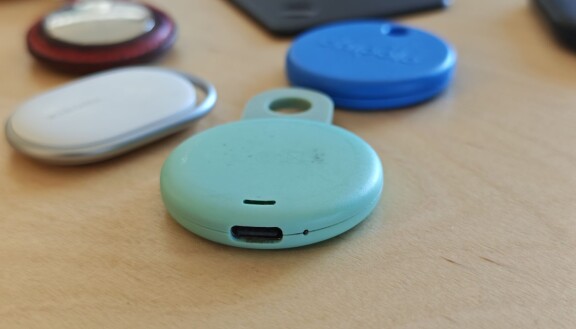
Tag designs vary from Apple’s round, cylindrical Airtags to Chipolo’s card-shaped models that fit in wallets or passports. Most tags include an IP67 rating, meaning they resist dust and can handle temporary water immersion—suitable for outdoor use like on bikes, although Bluetooth signals don’t transmit underwater.
Battery life remains strong across devices thanks to common use of replaceable CR2032 coin cells, typically lasting about a year. Notably, Chipolo offers rechargeable tags with up to a year between charges.
Privacy and Security Measures Enhanced
The rise in tracking tags also raised privacy concerns about potential misuse for illegal tracking. Apple, Google, Samsung, and others have responded by implementing safety alerts to warn users if an unknown tag is detected tracking them. Users receive guidance on how to disable and report such trackers.
What to Watch
As Google continues to refine its network, competition with Apple is intensifying, promising even more accurate, real-time tracking nationwide. Samsung’s ongoing challenges suggest the company needs major improvements to reclaim relevance in this sector.
For Delaware and U.S. consumers eager to secure valuables like keys, bags, or bikes, choosing between Apple and Google-based tags now means picking systems proven reliable under real-world conditions rather than simply brand loyalty.
With devices becoming more intertwined with daily life, understanding the differences between Apple Airtags, Google’s Hitta-supported tags, and Samsung’s Smarttag can help you make smarter, safer decisions about your personal security and convenience.