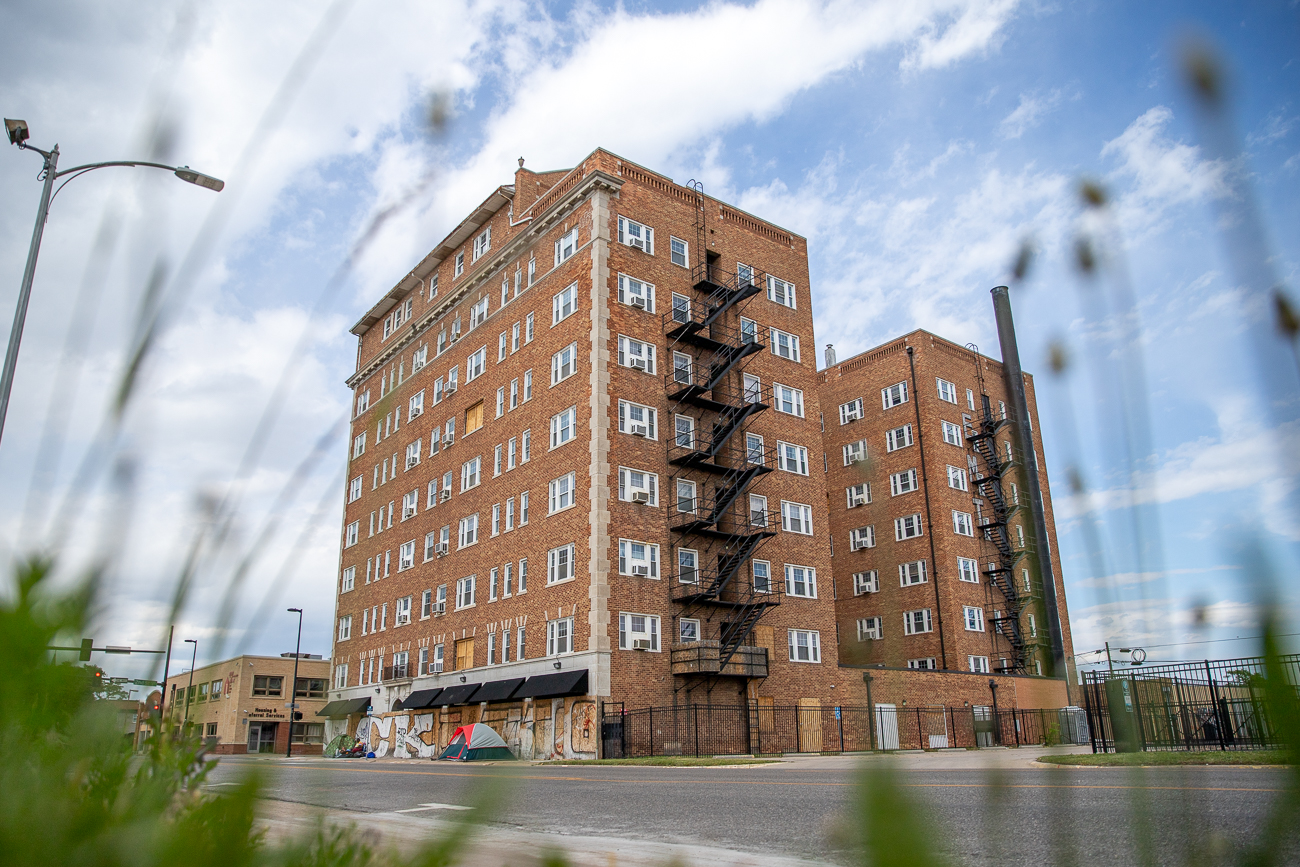
Chase Koch, heir to the Koch family fortune, is spearheading a bold redevelopment of the vacant Shirkmere Apartments in downtown Wichita that aims to blend affordable housing with a new live music venue, but the project is stirring controversy over potential displacement and gentrification.
The redevelopment, led by Koch’s nonprofit Movement Musick, plans to renovate 100 apartment units— dedicating 40 apartments exclusively to affordable housing while creating a fresh cultural hub focused on music and the performing arts.
This effort reflects a marked shift from the traditional Koch family image, long associated with conservative political influence and climate skepticism. Chase Koch appears to be promoting what Politico calls a “kinder, gentler libertarianism,” focusing on community revitalization through arts and housing investments.
Affordable Housing or Gentrification?
While the infusion of affordable housing is a key selling point, there are mounting concerns from local advocates and residents. Critics warn the development risks displacing homeless people currently living around the site and question whether former Shirkmere tenants, who were evicted before Chase Koch’s involvement, will regain access to the new housing.
“It seems pointless if the original inhabitants don’t have the same access,” said a local community member familiar with the project. Movement Musick targets its affordable housing for “graduate students, hospitality workers, first responders, and artists,” a demographic some argue caters more to newcomers rather than longtime Wichita residents facing housing insecurity.
With Intrust Bank Arena, Wave, and Century II already established downtown venues, this new music venue is poised to expand Wichita’s entertainment scene, potentially attracting new visitors and businesses. Yet the human cost of revitalization—poverty and homelessness—might deepen if existing social issues are not adequately addressed.
The Bigger Picture
The redevelopment buzzes with promise but also highlights the fragile balance between economic renewal and social equity. “Fundamental issues of poverty and homelessness don’t just disappear with a new building,” a commentator noted, emphasizing that investments in physical infrastructure must also prioritize vulnerable populations or risk exacerbating displacement.
As Chase Koch pushes forward, the downtown Wichita project will serve as a barometer for whether philanthropy driven by billionaire heirs can escape the shadow of their politically charged family legacies and prioritize inclusive growth.
For Delawareans and communities nationwide, this development underscores the urgent need to scrutinize urban renewal efforts that promise progress but may deepen divides without mindful, equitable implementation.
Stay tuned as The Delaware Herald continues to monitor updates and the social impact of this evolving project in Wichita.