The recent crash of a UPS Airlines cargo jet in Louisville, Kentucky, has reignited concerns about the safety and performance of the McDonnell Douglas MD-11. Originally designed as a passenger aircraft, the MD-11 has transitioned largely to cargo operations, but its reputation remains tarnished due to handling issues that have long troubled operators and pilots alike.
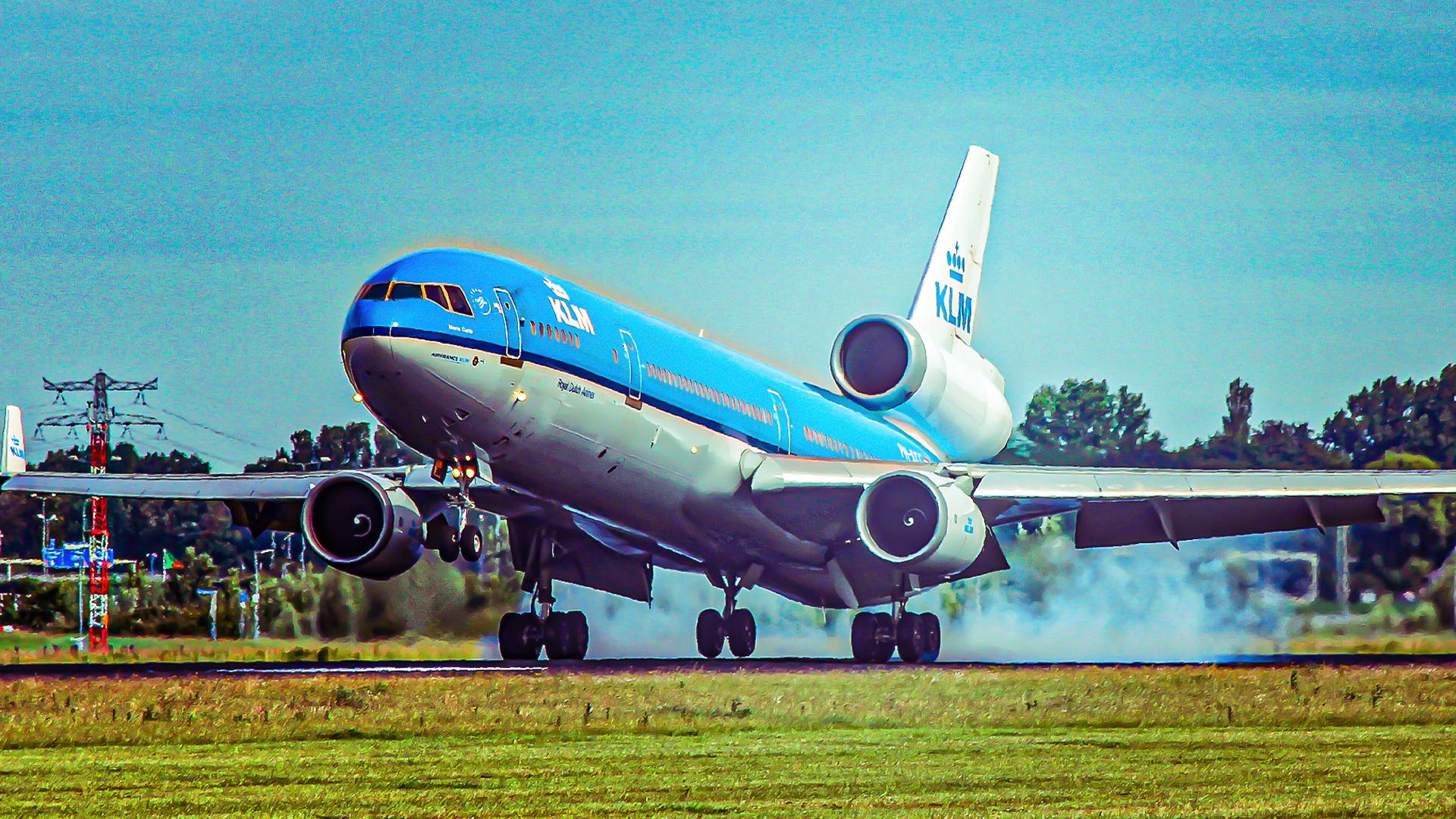
The MD-11, first introduced in 1990, has been labelled the “Scud” by pilots, a nickname inspired by a type of uncontrolled missile. This moniker reflects the aircraft’s challenging flight characteristics, particularly during landing. The flight computer was programmed to function similarly to the DC-10; however, the MD-11’s different aerodynamics led to unforeseen difficulties. Pilots often reported that the aircraft’s landing performance was unpredictable, with a notable tendency for hard landings.
According to the National Transportation Safety Board (NTSB), the MD-11 has the highest rate of hard landing incidents among 27 large Western-built aircraft types. Safe Fly Aviation data indicates that the MD-11 recorded approximately 5.63 hard landings per 1 million flight cycles. This statistic highlights a significant concern for aviation safety, especially as hard landings can lead to serious accidents.
One notable incident occurred in 2010 involving a Lufthansa Cargo MD-11F, which experienced multiple bounces upon landing at King Khalid International Airport in Riyadh. The fuselage broke apart, although the crew survived, with one pilot suffering serious injuries. Investigations into such incidents have prompted calls for improved pilot training, particularly focusing on high sink rate awareness and proper landing techniques.
The MD-11’s safety record has prompted recommendations from the NTSB, including revisions to the Federal Aviation Administration (FAA)‘s pilot training curriculum. The NTSB urged the FAA to emphasize landing pitch attitude and throttle control to mitigate the aircraft’s propensity for dangerous landings.
Despite its operational challenges, the MD-11 has seen a significant number of units produced. As of November 2025, 200 aircraft were manufactured, with approximately 50 aviation mishaps reported. The aircraft’s hull-loss accidents account for about 11 incidents with fatalities, resulting in 244 total fatalities across all hull-loss accidents.
The commercial aviation landscape has shifted significantly since the MD-11’s introduction. Competitors like the Boeing 777 and Airbus A330 have emerged as more reliable options, overshadowing the MD-11’s capabilities. Airlines quickly recognized the aircraft’s shortcomings, leading to customer dissatisfaction and cancellations of orders. Major airlines such as Singapore Airlines and American Airlines transitioned away from the MD-11, opting for more modern fleets.
As UPS continues to operate a fleet of MD-11 freighters, including the last unit ever produced, the implications of the recent crash are significant. On November 4, 2023, UPS Flight 2976 tragically crashed, raising questions about the safety of aging aircraft. UPS’s MD-11F fleet averages approximately 30 years old, reflecting a broader trend in the cargo sector where older jets remain in service due to supply chain disruptions and increasing demand for air commerce.
UPS is planning to phase out its MD-11F fleet in favor of newer models, such as the Boeing 767-300F, which is expected to remain in production until 2027. However, the investigation into the recent crash is ongoing, and local authorities responded to reports of an explosion near the airport.
The legacy of McDonnell Douglas, once a leader in aerospace innovation, has been marred by the challenges faced by the MD-11. While some aircraft remain operational, a global grounding following the recent tragedy may signal an end to the MD-11’s career in commercial service. As airlines consider the cost-benefit ratio of maintaining aging fleets, many may opt to retire the MD-11, leaving only a handful of aircraft still flying.
In the broader context, the decline of the MD-11 underscores the evolving landscape of commercial aviation, where safety and reliability continue to dominate priorities in aircraft design and operation. The future of the MD-11 remains uncertain, with the potential for further retirements as operators reassess their fleets in light of recent incidents.