FOP Leader’s Racist Remark Ignites Firestorm After Deputy Convicted in Casey Goodson Jr. Case
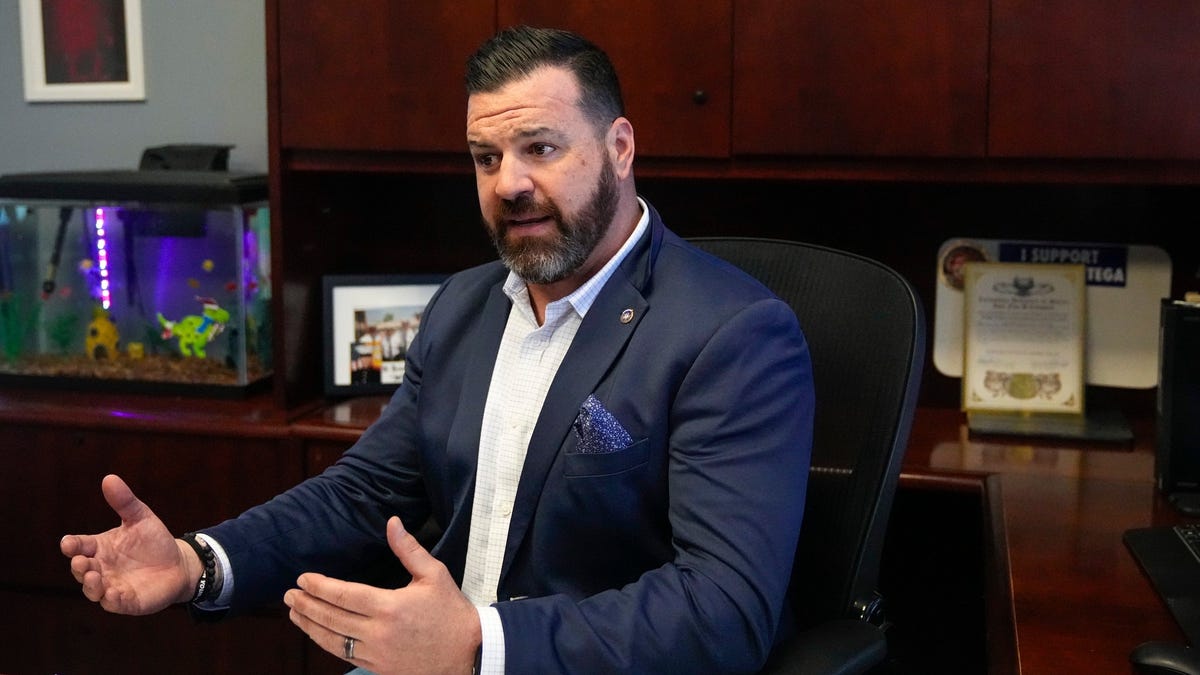
Brian Steel, president of the Fraternal Order of Police (FOP) Capital City Lodge 9, has stirred nationwide outrage with racially charged comments targeting Sean Walton, the attorney representing the family of Casey Goodson Jr., a young Black man fatally shot by a former deputy.
Steel’s incendiary label calling Walton a “poverty pimp” in a “$3,000 suit” has deepened divisions at a time when healing and unity are critically needed in communities across the United States. The explosive remarks emerged days after former Franklin County Sheriff’s Office deputy Jason Meade was found guilty of reckless homicide in Goodson’s fatal shooting, reigniting painful discussions about racial bias, police accountability, and justice.
More Than a Trial – A National Flashpoint on Race and Policing
Meade’s conviction, while significant, is described by experts and advocates as a rare exception rather than a new norm in policing accountability. Judson L. Jeffries, professor of African American and African studies at Ohio State University and contributor to the Columbus Dispatch, sharply criticized Steel’s remarks as “racist and divisive,” warning they harken back to a disturbing era America believed it had left behind.
“The FOP leader’s incendiary words serve only to drive a wedge between residents and police when unity is what is needed most,” Jeffries said.
The July verdict in Meade’s trial followed revelations that he fired multiple shots, including five that struck Goodson in the back in December 2020. The shooting remains a flashpoint in ongoing national conversations about law enforcement use of force against people of color.
‘More Likely’ Does Not Mean Progress
Jeffries highlights that, despite recent high-profile convictions like Meade’s, police officers being held accountable for lethal actions is still the exception nationwide. While the conviction symbolizes incremental progress following the brutal public killing of George Floyd, it underscores the painfully slow pace of meaningful change.
“This is not something to celebrate yet,” Jeffries noted. “Rarely were officers charged or convicted before, and now they are only ‘more likely’ to be held accountable. That’s a step, but far from the finish line.”
Dividing Lines in a City Still Struggling for Justice
Steel’s comments singled out Sean Walton, who is also president of the local chapter of the NAACP, portraying him cynically as the “winner” profiting from Goodson’s tragic death. Community leaders and civil rights advocates warn that such rhetoric risks polarizing residents and exacerbating distrust between law enforcement and the public.
“The pain experienced by both families is undeniable,” Jeffries said, “but the anguish Meade’s loved ones suffer was caused by reckless decisions that ended Casey Goodson Jr.’s life.”
Walton, known locally for his civil rights advocacy, and the NAACP have emphasized the broader implications of this case for policing reforms across Ohio and the nation. The backlash against Steel’s remarks has pushed renewed calls for police leadership to adopt a tone that fosters justice and healing rather than division.
Why Delaware and U.S. Readers Should Watch This Case
While the shooting and trial took place in Columbus, Ohio, the elements unraveling here resonate nationwide, including Delaware. Police accountability and the struggle against systemic racism remain defining themes in communities across the United States. Lessons from this case and the reaction to Steel’s remarks can inform ongoing debates about law enforcement responsibility and racial equity.
As more Americans demand transparency and reform, leadership statements from police organizations will be scrutinized for either healing or deepening divides — a choice with far-reaching consequences.
What Comes Next
The trial verdict stands, but public outcry over the FOP president’s language continues. Legal experts expect civil suits connected to the shooting to proceed. Meanwhile, calls for community engagement, improved police training, and meaningful dialogue on race and justice are intensifying in affected cities nationwide.
The fallout from Steel’s remarks serves as a stark reminder: decades-old racial tensions in policing have not disappeared and require urgent attention to prevent further harm to American communities.
The Delaware Herald will continue covering developments in this case and the broader movement for police accountability impacting Delaware and the country right now.