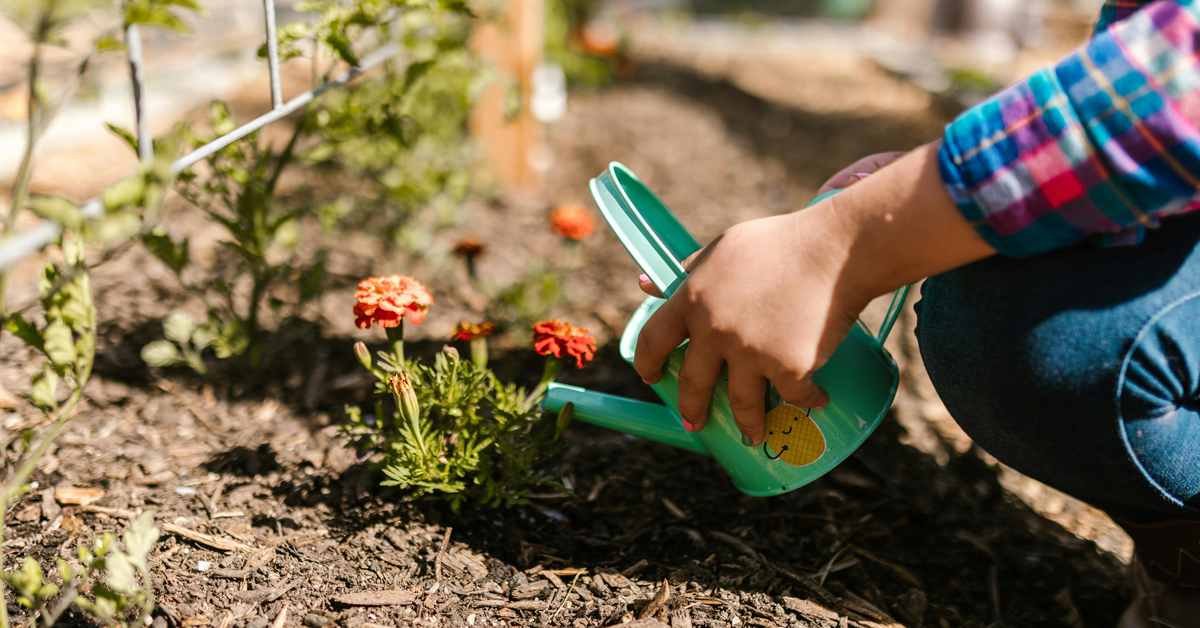
School Gardens Drive Science Literacy and Environmental Engagement Nationwide
New findings show that school gardens are transforming education by sharply improving student attitudes toward science and the environment right now. This development comes as experts push to close the widening gap between Americans and agricultural literacy caused by decades of growing urban disconnection.
Shelley Mitchell, an agricultural extension specialist and former Oklahoma high school science teacher, explains that most American students today have little understanding of how food is grown or where it comes from. With less than 2% of the U.S. population currently living on farms, students are generations removed from agriculture, creating a widespread knowledge gap that experts warn could impact future food security and environmental stewardship.
Hands-on Learning in Gardens Sparks Positive Change
Research shows that students engaging in school gardening experience more than just learning how plants grow. Gardening actively increases physical activity during the school day, reducing sitting time from 84% indoors to about 15% in outdoor garden settings. This active learning triggers deeper brain engagement, boosting comprehension, retention, and individual curiosity.
“Gardening is like a science lab,” Mitchell notes, “Students manipulate variables such as water, sun, and temperature and see real-time results.” This hands-on experimentation sharpens essential science process skills and fosters patience, teamwork, responsibility, and self-confidence among students.
Studies also reveal that kids involved in garden work develop better attitudes toward school overall, spend more time outdoors after school, and increase their vegetable consumption simply because they help grow it. These findings highlight school gardens as a powerful tool for improving nutrition alongside science literacy.
National Efforts to Combat Agricultural Illiteracy
The trend toward urban living began in the early 1900s, triggering a sharp decline in agricultural knowledge. Responding to this, the U.S. Department of Agriculture formed a task force in 1981 that led to the creation of the National Agriculture in the Classroom program. This initiative equips teachers with resources to bring farming and gardening lessons into schools across America.
Today, school gardening fits squarely into this national push to reconnect students with the origins of their food and the science behind farming. Experts emphasize the urgent need to integrate gardens into more schools to address the gulf in agricultural literacy impacting younger generations.
Challenges Threaten Expansion of School Gardening Programs
Despite clear benefits, many schools face hurdles establishing and maintaining garden programs. Teachers frequently point to lack of time and funding as barriers, compounded by pressure to meet strict standardized testing goals. Additionally, many educators feel they do not have the gardening knowledge needed to teach effectively.
School administrators sometimes resist gardens due to concerns about space, aesthetics, and upkeep, with some viewing gardens as messy or intruding on playground areas. However, experts argue that this “messiness” is critical for student learning because it allows for experimentation and discovery rather than sterile, over-managed plots.
Why Delaware and Schools Nationwide Should Invest Now
With agricultural understanding declining nationwide, initiatives like school gardens offer a direct path to reconnect students to science, nutrition, and the environment. For Delaware schools, where education innovation is a priority, embracing garden programs could be a vital step toward improving student engagement and health.
As Mitchell highlights, “Kids who garden learn to appreciate farmers and the complexities of food systems,” which cultivates informed consumers and future policy-makers. The hands-on experience also supports science education standards and promotes healthier eating habits, making garden programs a multifaceted win.
Families and educators eager to see more garden programs should watch for emerging local initiatives and advocate for funding and support. Schools can start small—even container gardens or bucket plots provide meaningful educational opportunities if administrators and communities commit to nurturing them.
Looking Ahead: Growth and Sustainability of School Gardens
As the movement grows, expect increasing support from agricultural organizations and education advocates promoting gardens as key to preparing students for a rapidly changing world. Ongoing research will likely continue to underscore the link between hands-on gardening and improved academic and personal outcomes.
For students across America, including Delaware, learning through gardens means cultivating more than plants—it means growing scientific minds, healthier lifestyles, and stronger connections to the natural world today.
“Gardens let students see the direct impact of their choices and build critical thinking skills for life,” says Shelley Mitchell, agricultural extension specialist.
The latest research strongly suggests your local schools should consider making gardening a classroom staple immediately to boost student success and environmental stewardship across communities nationwide.