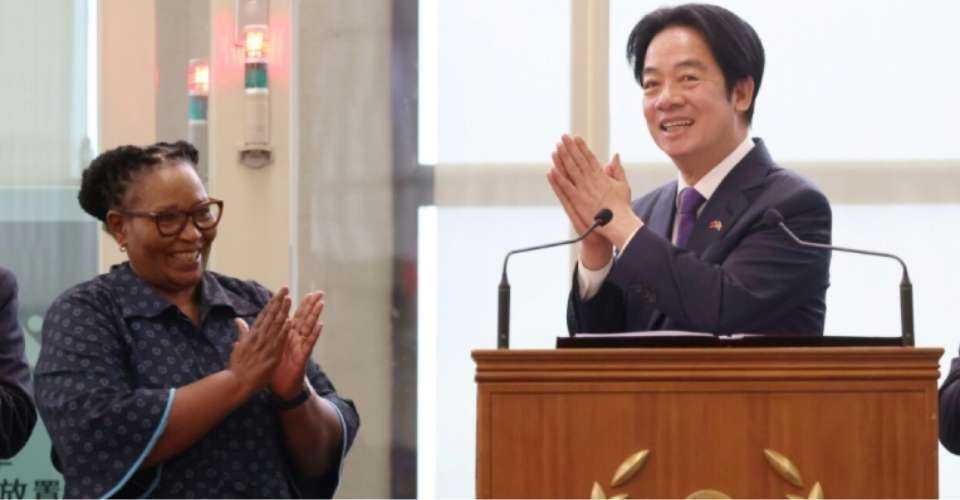
Taiwan President Lai Ching-te Returns from Africa Despite Intense Chinese Pressure
Taipei — Taiwan’s President Lai Ching-te has boldly asserted his nation’s right to global engagement after concluding a groundbreaking visit to Eswatini, the sole African country that formally recognizes Taiwan, overcoming what Taipei described as “intense pressure” from China to cancel the trip.
Lai arrived back in Taipei on May 5 on the private plane of King Mswati III, underscoring the strong diplomatic ties between the two nations despite mounting challenges. This visit marked a critical moment for Taiwan’s international diplomacy as China sought to block his scheduled April visit by pressuring multiple African countries to revoke overflight permits.
China’s Diplomatic Pressure Sparks U.S. Condemnation
The Taiwanese government revealed China had targeted the Seychelles, Mauritius, and Madagascar with threats of economic backlash, including revoking debt relief and halting financing aimed at these countries. This intense coercion caused a delay in Lai’s original trip planned for April 22 to 26.
Following the postponement, Taiwan’s Foreign Minister Lin Chia-lung made the initial visit, demonstrating Taipei’s commitment to maintaining international presence. The trip was later rescheduled, and President Lai flew to Eswatini on May 2, defiantly pushing back against Beijing’s tactics.
The United States sharply criticized China’s “intimidation campaign,” emphasizing the importance of Taiwan’s sovereign right to engage with global partners. In contrast, China’s foreign ministry dismissed these claims as “baseless accusations” and mocked Lai’s actions as “an international laughing stock.”
Lai’s Message: Taiwan Will Not Shrink from Suppression
“Taiwanese people are people of the world; Taiwanese people have the right to engage with the world,” Lai said upon landing, flanked by Eswatini Deputy Prime Minister Thulisile Dladla, who accompanied him through the trip.
Lai emphasized that head-of-state visits should be routine and that Taiwan will not back down despite threats and suppressive tactics.
“Mutual visits between heads of state should be the most ordinary thing, just like when we go out to visit friends, and are a basic right of every country,” Lai declared, reinforcing Taiwan’s insistence on equitable international treatment despite China’s claims that Taiwan is part of its territory.
Eswatini’s Unique Position and Taiwan’s Isolated Diplomacy
Eswatini remains one of only 12 countries worldwide maintaining official diplomatic relations with Taiwan. Right now, the island’s diplomatic space is shrinking as China persuades other nations to sever ties.
King Mswati III’s invitation to Lai also coincided with the 40th anniversary of his accession and his 58th birthday, underscoring the personal and political significance of this visit.
US-Taiwan Ties Highlighted Amid Growing China Tensions
The United States’ vocal backing of Taiwan’s right to international engagement sends a strong signal amid growing geopolitical tensions across the Taiwan Strait. Past restrictions on Lai’s travel—such as denied transit through New York during a 2025 trip—spotlight the complex nature of Taiwan’s diplomatic maneuvering as it seeks to expand global support.
What’s Next?
As the world watches, President Lai’s visit affirms Taiwan’s persistent efforts to break through diplomatic isolation amid Beijing’s aggressive coercion. With other countries feeling pressure from China, Taiwan’s global allies and partners may face tougher decisions in the coming months.
For U.S. policymakers and global watchers—including audiences in Delaware—the trip underscores ongoing strategic competition in the Indo-Pacific, highlighting the need for continued support for Taiwan’s democratic sovereignty against coercive tactics.
President Lai’s return marks a critical flashpoint in Taiwan-China relations and reaffirms the island’s resolve to be recognized as a legitimate sovereign actor on the world stage.