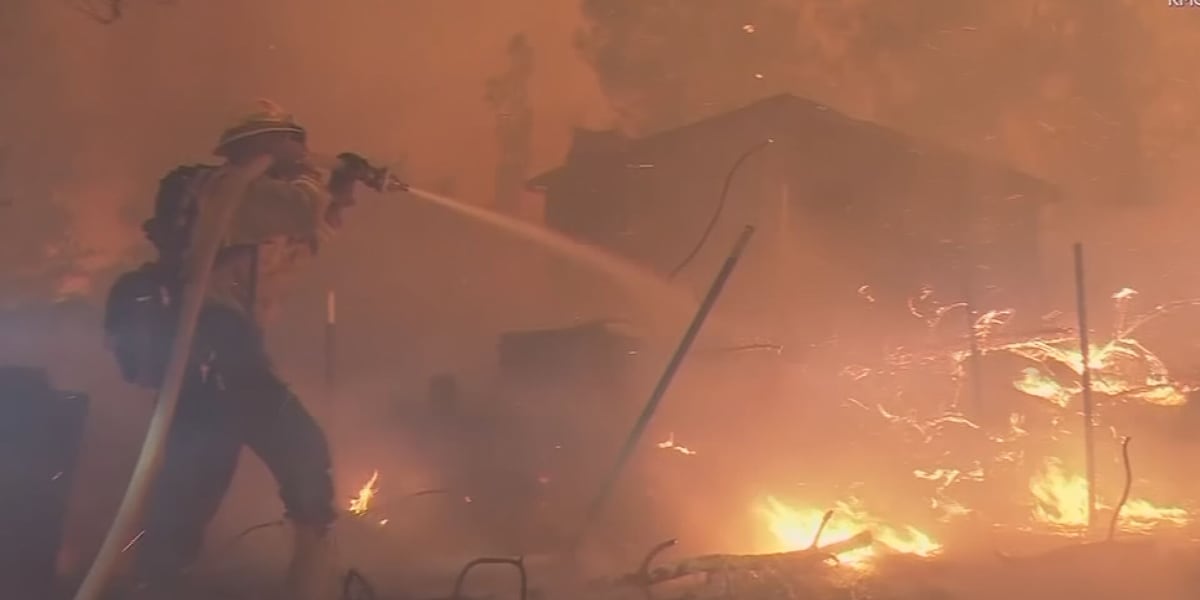
USDA ramps up wildfire preparedness with nationwide push for 2026 fire season
The U.S. Department of Agriculture is launching a major wildfire readiness initiative ahead of the 2026 fire season, ordering the Forest Service to step up training, expand staffing, and streamline operations nationwide. Agriculture Secretary Brooke Rollins released a directive this week emphasizing urgent reforms to protect communities and safeguard firefighters as wildfire threats intensify across the country, including in vulnerable regions like California, the West, and other high-risk zones.
“Protecting the public and our firefighters is our top priority,” Rollins wrote in the memo, which calls for improved firefighter health and safety measures, enhanced coordination with other agencies, and expanded use of prescribed burns to reduce hazardous fuels. The directive signals a proactive government approach following significant wildfire challenges in recent years.
Largest wildfire response force ever readied with new reforms
The memo instructs the Forest Service to keep personnel fully trained year-round and to boost staffing when fires peak, ensuring rapid response capabilities are ready at a moment’s notice. USDA officials report that more than 28,000 federal responders are on standby, complemented by tens of thousands more contracted resources from about 2,500 vendors nationwide. The department also oversees the largest federal firefighting aviation fleet, including helicopters and airtankers ready for deployment.
Forest Service Chief Tom Schultz highlighted the importance of shared responsibility across government levels. “Our crews are prepared to protect communities and support frontline firefighters with enhanced coordination and resources,” Schultz said, underscoring the collective effort needed to battle wildfires.
Streamlining contracting and improving coordination to accelerate wildfire fight
A key part of the directive focuses on reducing delays by simplifying contracting processes that have previously slowed wildfire operations. USDA also aims to upgrade tracking and accountability for hazardous fuels reduction projects, including controlled burns, which scientists agree are vital in preventing catastrophic wildfires by managing excess forest growth and dry brush buildup.
Enhanced prescribed-burn coordination with local, state, and other federal agencies is a cornerstone of these efforts, expanding safely managed fires to clear dead vegetation and reduce the risk of uncontrollable blazes. Rollins said recent reforms launched in 2025 have already strengthened wildfire mitigation and response, but the 2026 measures ramp up those efforts to meet rising challenges.
Why this matters for Delaware and the nation
While Delaware is not a wildfire hot spot, the USDA’s nationwide preparedness bolsters national firefighting capacity critical for states battling wildfire crises. The costs of wildfires ripple across the U.S., straining federal budgets, impacting air quality, and prompting urgent evacuations. Delaware communities, especially vulnerable coastal and forested areas, stand to benefit as resources and lessons from a stronger federal response can enhance emergency planning and environmental resilience locally.
Experts caution that climate change continues to exacerbate wildfire frequency and intensity, making these USDA actions a crucial line of defense. The department’s increased readiness effort foregrounds the human toll wildfires impose—threatening lives, homes, and ecosystems—while empowering frontline crews with tools and training to save lives and property.
What’s next
The USDA and Forest Service will continue rolling out these directives through spring and summer ahead of the fire season, improving situational awareness and resource mobilization. Officials urge communities nationwide to stay informed and prepared as wildfire threats rise. The department reiterates its commitment to transparency and public safety throughout the 2026 wildfire season and beyond.
“Our mission is to be ready when wildfires strike,” said Rollins, “and to protect this country’s forests, communities, and firefighters with every tool and partnership available.”
Stay with The Delaware Herald for ongoing coverage of wildfire preparedness and other breaking news developments impacting Delaware and the United States.